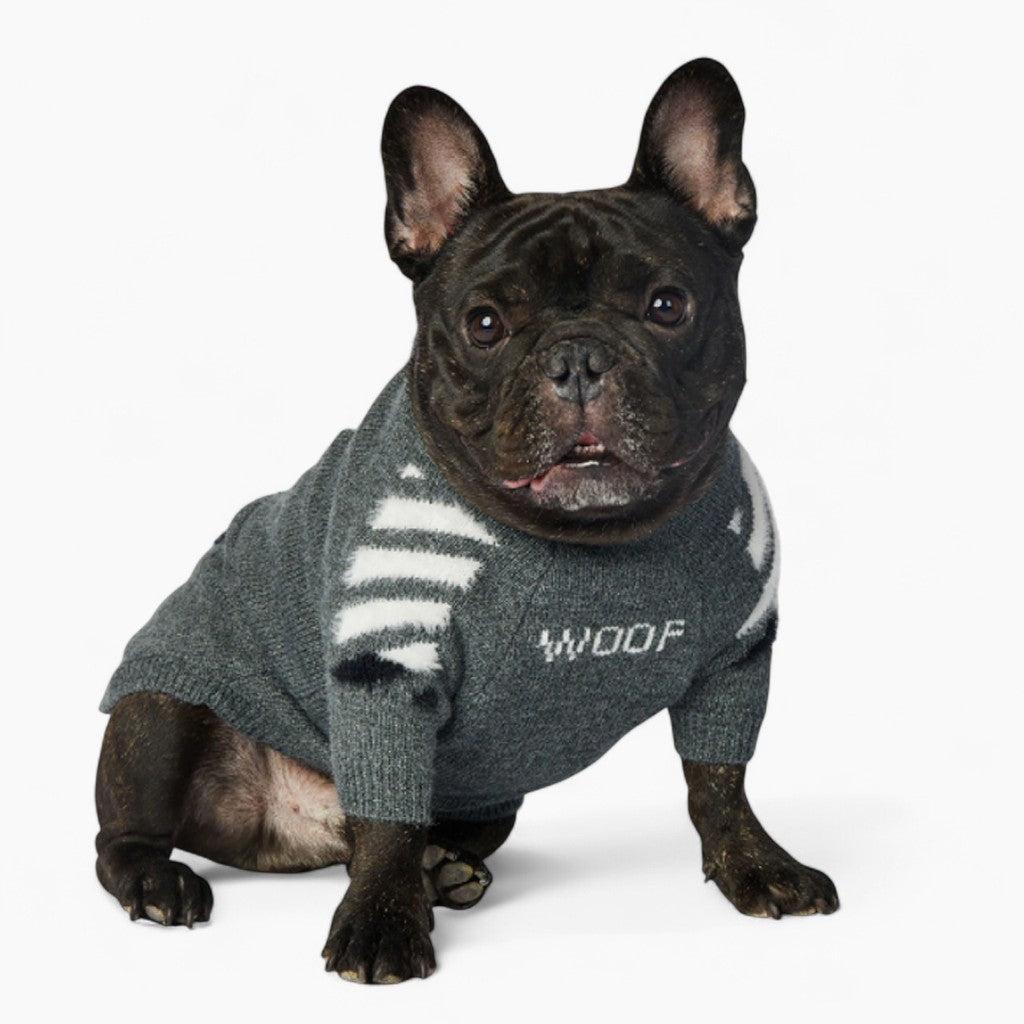


If you've ever watched your Frenchie plant all four paws on the sidewalk and flat-out refuse to take another step, you know the look. Head down, tongue out, maybe a dramatic flop onto the pavement like the walk personally offended them. It's easy to laugh it off — Frenchies are famous for their stubborn streak — but sometimes that "I'm done" moment is your dog's body telling you something more serious.
French Bulldogs aren't built like a Labrador or a Border Collie. Their short, flat faces (a trait vets call brachycephalic) make breathing less efficient, especially when they're working hard. Add a compact chest, a low tolerance for heat, and a body that runs warm just from being stocky and muscular, and you've got a breed that can go from "having fun" to "in real trouble" faster than most owners expect.
Knowing the difference between a normal Frenchie being a little dramatic and a Frenchie who is genuinely overexerted can make a real difference to their health and safety. Here's what to watch for, and what to actually do about it.
Why Frenchies Struggle More Than Other Breeds
Before getting into the warning signs, it helps to understand why this happens so easily in the first place. A French Bulldog's airway is naturally narrower than a longer-snouted dog's, which means every breath takes more effort. When they're exercising, their bodies can't move air in and out fast enough to keep up with oxygen demand. Dogs also cool themselves mainly through panting, and a Frenchie's short airway makes panting a much less effective cooling system than it is for other breeds. That combination is why even a short walk on a warm day, or one that's a little longer or faster than usual, can push a Frenchie past their limit while a bigger, longer-nosed dog barely notices the effort.
Signs Your Frenchie Is Overexerted
Heavy, labored breathing that doesn't settle. Some panting after activity is completely normal. What's not normal is breathing that sounds strained or raspy, or doesn't slow down after a few minutes of rest. If it sounds like your dog is breathing through a narrow straw, or you notice their nostrils flaring with every breath, that's an early warning worth listening to.
Excessive drooling. A little drool is just part of owning a Frenchie. A sudden increase during or after a walk, especially if it looks thick or stringy, often signals that your dog is overheating or working harder than their body can comfortably handle.
Bright red or bluish gums and tongue. This one deserves your full attention. Gums that turn very bright red suggest overheating. Gums or tongue that look pale, blue, or purple mean your Frenchie isn't getting enough oxygen — that's an emergency, not something to wait out.
Stopping, sitting, or lying down mid-walk. Frenchies are opinionated, sure, but a dog who suddenly plants themselves on the ground and won't move, especially paired with heavy panting, is usually communicating exhaustion rather than stubbornness. Try not to write it off as them "being difficult."
Wobbly or uncoordinated movement. If your dog's back legs start to wobble, their steps look unsteady, or they seem disoriented, this can point to heat exhaustion or oxygen deprivation. It's a clear signal to stop the walk right away.
Vomiting or retching. Overheating and overexertion can trigger nausea. If your Frenchie starts gagging or vomiting during or shortly after a walk, treat it as a sign that things went too far, not just a random stomach upset.
Collapse. This is the most serious sign and needs immediate veterinary attention. If your dog collapses during or after exercise, get them to a cool space right away and head to the vet, even if they seem to bounce back within a few minutes.
What To Do If You Notice These Signs
The moment you spot any of the above, stop the walk. Don't try to "just get home first," even if home is close by. Move your dog to shade or an air-conditioned space, offer small sips of cool (not ice-cold) water, and let them settle into a calm, relaxed position. Wetting their paw pads, belly, and ears with cool water can help bring their temperature down gently. Skip the ice baths — extreme cold can constrict blood vessels and actually trap heat inside the body instead of releasing it.
If your Frenchie isn't breathing more easily within 10 to 15 minutes, if their gums stay pale or bluish, or if they seem disoriented, get to a vet right away. Heatstroke and oxygen deprivation in brachycephalic breeds can escalate quickly, and it's always better to be seen and told everything's fine than to wait it out at home.
Making Walks Easier From the Start
A lot of overexertion is preventable with the right gear and a bit of planning. One common culprit is a standard collar that puts pressure directly on the neck and airway, which makes an already limited breathing capacity even harder to manage. Switching to a harness built specifically for flat-faced breeds shifts that pressure off the throat and onto the chest instead, so your Frenchie can breathe more freely on every walk, not just the long ones.
The PawGent Frenchie Harness Leash Set – Lightweight No-Pull Neck-Free Comfort Design ($36.95) is built with exactly this in mind. Its neck-free design spreads pressure across the chest rather than the throat, which is a small switch that makes a real difference to how comfortably your Frenchie breathes while walking.

Pacing matters just as much as gear. Instead of one long walk, many Frenchie owners find that two or three shorter walks spread through the day, timed for cooler mornings or evenings, keep their dog active without pushing them into the danger zone. Watch your dog's cues rather than the clock. Some Frenchies hit their limit at 10 minutes, others closer to 25, and that number can shift day to day depending on heat, humidity, and how much they've already done earlier in the day.
For dogs who tire out partway through a walk, or for older and heavier Frenchies who need a break without cutting the outing short, a carrier can be a genuine game-changer. It lets your dog rest their legs and settle their breathing while you both still get to enjoy the time outside.
The Frenchie Backpack™ V1 (from $54.95) is built for exactly that. If your Frenchie taps out halfway through a walk, you can scoop them up, let them ride comfortably for a stretch, and finish the outing without forcing them to push through exhaustion just to get home.
![Frenchie Backpack™ [V1] (CS03) - Frenchie Bulldog Shop](https://cdn.shopify.com/s/files/1/1656/4409/products/frenchbulldogbackpack.jpg?v=1751374814)
Building Stamina the Safe Way
If your goal is helping your Frenchie handle longer walks over time, patience is everything. Increase distance or time gradually, just a few minutes at a time, and stick to cooler days while you build up. Pay closer attention to their breathing than to the distance covered. A Frenchie who breathes comfortably at the 20-minute mark on a mild day might struggle at 10 minutes on a hot, humid one, and that's completely normal for the breed.
Weight also plays a bigger role for Frenchies than it does for a lot of other breeds. Even a small amount of extra weight adds real strain to an already compact respiratory system, so keeping your dog at a healthy weight is one of the most effective things you can do to protect their stamina and comfort on walks.
Quick FAQ
How far should a French Bulldog walk in a day? There's no single number that fits every Frenchie. Many healthy adults do fine with two 15 to 20 minute walks a day, but age, weight, fitness level, and weather all shift that range. A senior or overweight Frenchie may max out at 10 minutes, while a lean, well-conditioned younger dog might comfortably handle more.
What temperature is too hot for a Frenchie to walk? Once temperatures climb past the mid-70s Fahrenheit (around 24°C), especially with high humidity, walks should get shorter and slower, or move to early morning and late evening. Pavement heat matters too — if it's too hot for your bare hand, it's too hot for their paws.
Is it normal for a French Bulldog to pant a lot after walks? Some panting is expected. What's not normal is panting that doesn't ease up after 10 to 15 minutes of rest, sounds strained, or comes with pale or bluish gums. That combination means it's time to call your vet rather than wait it out.
The Bottom Line
Frenchies give their all, even when their bodies are telling them to stop, which is exactly why it's on us as owners to catch the signs before things escalate. A little extra attention to breathing, gum color, and body language, paired with the right gear and a sensible pace, lets your Frenchie enjoy their walks without paying for it afterward. When in doubt, shorter and cooler is always the safer choice — there will always be another walk tomorrow.