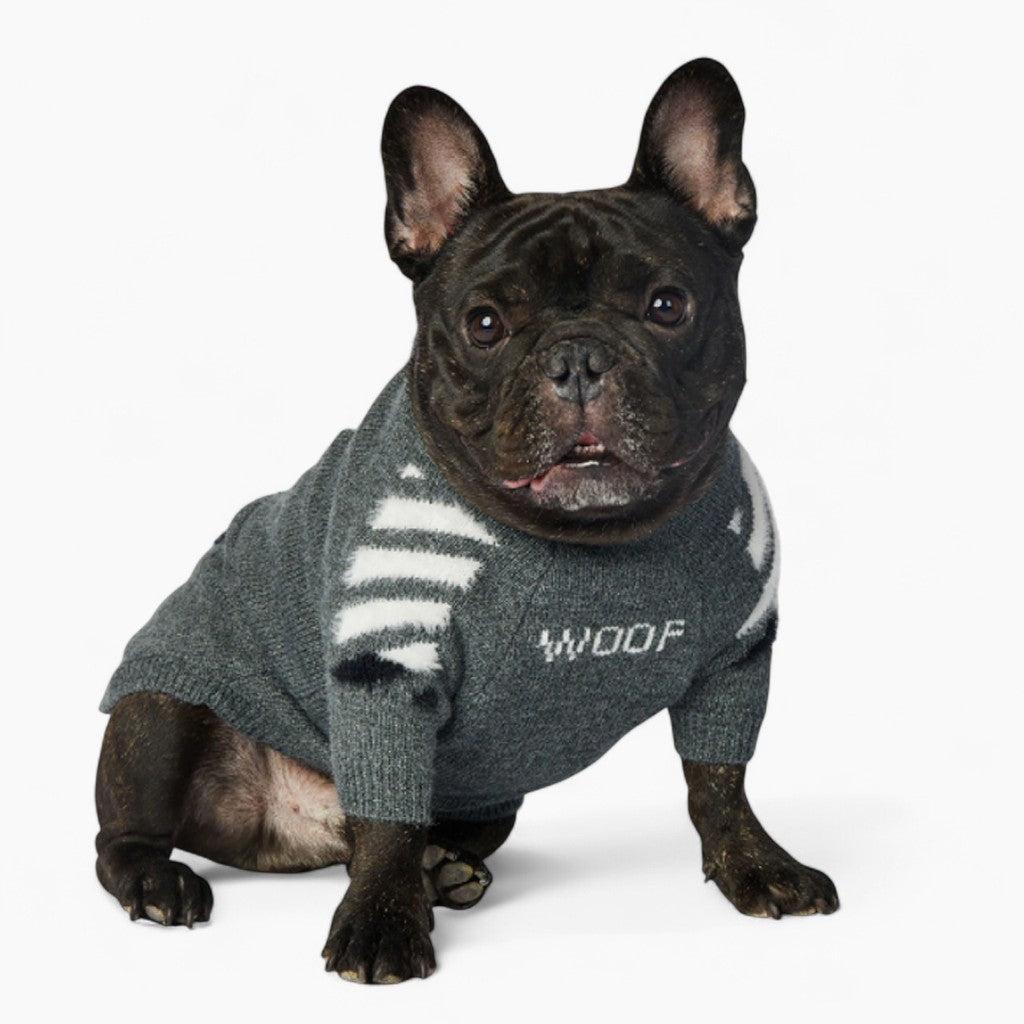


A single crack of thunder can turn a relaxed Frenchie into a trembling shadow at your feet. Fireworks, construction, sirens, vacuum cleaners, crowded events, and even a neighbor’s celebration can feel intense to a dog who does not understand where the noise is coming from or when it will stop.
Noise anxiety is not your French Bulldog “being dramatic.” Fear is a real emotional response, and a frightened dog needs safety, patience, and a plan. With a calmer home setup, gentle training, and the right support tools, many Frenchies learn to cope better with loud sounds.
This guide explains why noise anxiety happens, how to spot it early, what to do during fireworks and thunderstorms, and when it is time to speak with your veterinarian.
Why Loud Sounds Feel So Overwhelming
A firework is not simply a loud bang. It can arrive without warning, echo through the home, flash in the window, and happen again before your Frenchie has recovered from the last one. Thunderstorms can be even more complicated because some dogs react before thunder begins. Changes in air pressure, wind, rain, and static in the air may all become part of the scary pattern.
French Bulldogs are often very tuned in to their people. When the house changes, you rush to shut the windows, or you become tense at the sound outside, your dog may pick up on that shift. This does not mean you cause the anxiety. It means your calm, predictable response can become one of the most reassuring parts of their routine.
A Frenchie that is afraid of noise is not trying to misbehave. They are trying to create distance from something they believe is unsafe. That is why scolding, forcing them to stay outside, or dragging them out of a hiding place rarely helps. It can make the noise and the experience around it feel even more frightening.
Signs Your Frenchie May Have Noise Anxiety
Some dogs bark at the first boom and then settle. Others show quiet signs that are easy to miss. Notice what your Frenchie does before, during, and after a noisy event.
Common signs include trembling, pacing, panting, drooling, repeated yawning, hiding, barking, whining, sudden clinginess, refusing treats, scratching at doors, trying to escape, accidents indoors, chewing, licking paws, or destructive behavior.
Look for your dog’s earliest signals, not only the peak of their fear. A Frenchie who starts pacing when the sky darkens may be telling you they are already worried. Catching that moment early gives you more chances to guide them toward comfort before panic builds.
Set Up a Quiet Den Before You Need It
The best time to build a safe space is on a normal, peaceful day. Choose an interior room or a familiar corner away from windows. A crate can work well only if your Frenchie already sees it as a happy, voluntary place. Never shut a panicked dog into a crate if they are trying desperately to escape.
Make the space feel familiar: add their bed, a soft blanket, water, and a favorite chew or stuffed food toy. Close blinds or curtains to reduce flashes from fireworks. Run a fan, television, or gentle white noise to soften sudden outdoor sounds. During a storm, it is completely fine for your Frenchie to choose the bathroom, closet, or space under a table if that is where they feel safest.
Practice using this space during calm moments. Toss a treat inside. Serve a special snack there. Sit nearby while your dog relaxes. The goal is not to trap your Frenchie in a calm room. It is to teach them that this place reliably predicts comfort.
What to Do During Fireworks or a Thunderstorm
Bring your Frenchie indoors well before the noise begins. Take bathroom breaks and walks earlier, then check that doors, gates, and windows are secure. A frightened dog can make an unexpected dash outside, so confirm ID tags and microchip information are current before high-noise holidays.
Once the sound starts, keep your own behavior low-key. You do not have to ignore your dog or withhold comfort. Sit close, use a steady voice, and offer gentle petting if they enjoy it. You are not rewarding fear by being kind. You are showing your dog that they are not alone.
Offer an easy activity only while your Frenchie can still engage. A lick mat, frozen stuffed toy, or scatter of favorite treats can redirect some dogs. If your Frenchie will not eat, do not push it. Focus instead on reducing stimulation and letting them rest where they feel safe.
Do not take your Frenchie outside to “get used to it,” force them toward a window, or turn up a fireworks recording during an active scary event. Real-life exposure when a dog is already overwhelmed can make the fear stronger rather than better.
Two Helpful Frenchie Shop Tools for Noise Support
No product can erase fear on its own, but a well-introduced comfort tool can make your Frenchie’s environment feel more manageable. Let your dog explore a new item on quiet days first, pair it with treats, and watch their body language.
1. ZenHood Frenchie Anxiety Vest – Calming Hooded Jacket for Fireworks
A gentle, snug layer can be comforting for some dogs, especially when it becomes part of a familiar pre-storm routine. The ZenHood vest has adjustable straps and a hood that covers the neck and ears, creating a cozier feel during fireworks, thunder, travel, and other stressful moments.
Check the size guide and make sure your Frenchie can move and breathe comfortably.
Shop the ZenHood Frenchie Anxiety Vest

2. MuttMuffs Frenchie Noise Reducing Earmuffs
For Frenchies that react strongly to sharp sounds, noise-reducing earmuffs may help soften the edge of fireworks, thunder, vacuums, or busy outdoor environments. They should never be forced on suddenly.
Begin by placing them near treats, then loosely around the neck, and gradually build to short, happy sessions over several days.
Shop MuttMuffs Frenchie Noise Reducing Earmuffs

Think of either tool as one layer of support alongside a safe room, sound masking, and calm companionship. Your Frenchie gets the best chance of success when the whole routine feels predictable.
Build Long-Term Confidence With Gentle Training
You can help your Frenchie prepare for noise without waiting for a storm. This is called gradual desensitization and counterconditioning. In simple terms, you introduce a very quiet version of a scary sound while pairing it with something your dog genuinely likes.
Start with a high-quality thunder or fireworks recording at a volume so low that your Frenchie notices it but shows no stress. Offer tiny treats, play an easy game, or practice a cue they already enjoy, such as “touch” or “sit.” Keep sessions brief, then stop while your dog is still relaxed.
Over days or weeks, gradually increase the sound only when your Frenchie stays comfortable. If they freeze, pant, stop eating, look for an exit, or refuse to engage, the session was too difficult. Lower the volume next time.
Slow progress is still progress. Avoid testing your dog’s bravery. The goal is not to see how much noise they can tolerate. The goal is to build a new emotional association: “I hear this sound, and safe, good things happen.”
Make a Fireworks and Storm Checklist
Before the Noise Starts
- Check the forecast or local fireworks schedule.
- Take a calm walk and bathroom break early.
- Prepare your Frenchie’s quiet den.
- Close curtains and blinds.
- Turn on a fan, television, or white noise.
- Offer food earlier if your dog tends to lose their appetite during stressful events.
During Fireworks or Thunder
- Keep your Frenchie safely indoors.
- Stay nearby if possible.
- Allow them to hide in a safe place.
- Use calming background sounds.
- Offer treats or a comfort toy only if they can engage.
- Keep doors, gates, and windows secure.
After the Noise Stops
- Wait until the area is truly quiet before going outside.
- Use a leash even in a fenced area if your Frenchie still seems unsettled.
- Praise calm behavior.
- Give your dog time to decompress in a quiet space.
When Noise Anxiety Needs Veterinary Help
Talk with your veterinarian if your Frenchie has panic-level reactions, attempts to escape or injure themselves, cannot eat or rest during noisy events, remains distressed long afterward, or seems to be getting worse each time.
Your veterinarian can rule out health problems and discuss a tailored behavior plan. For severe, predictable events such as a major fireworks night, they may discuss medication, which should be planned in advance and used only under professional guidance.
French Bulldogs deserve extra caution because intense stress and panting can be difficult for their breathing. Treat obvious breathing difficulty, collapse, blue or pale gums, or distress that does not settle as urgent veterinary concerns rather than simple anxiety.
Your Calm Makes a Difference
You cannot control thunder, fireworks, or every sudden noise in the neighborhood. You can control the routine around them. A safe place, an earlier walk, closed curtains, steady background sound, and your relaxed presence can change how your Frenchie experiences a difficult night.
Start small. Build the quiet den this week. Practice five minutes of gentle sound training. Introduce a comfort tool before the next storm. These small steps add up, helping your Frenchie learn that loud moments pass and home remains safe.
Related Frenchie Shop Reads
```