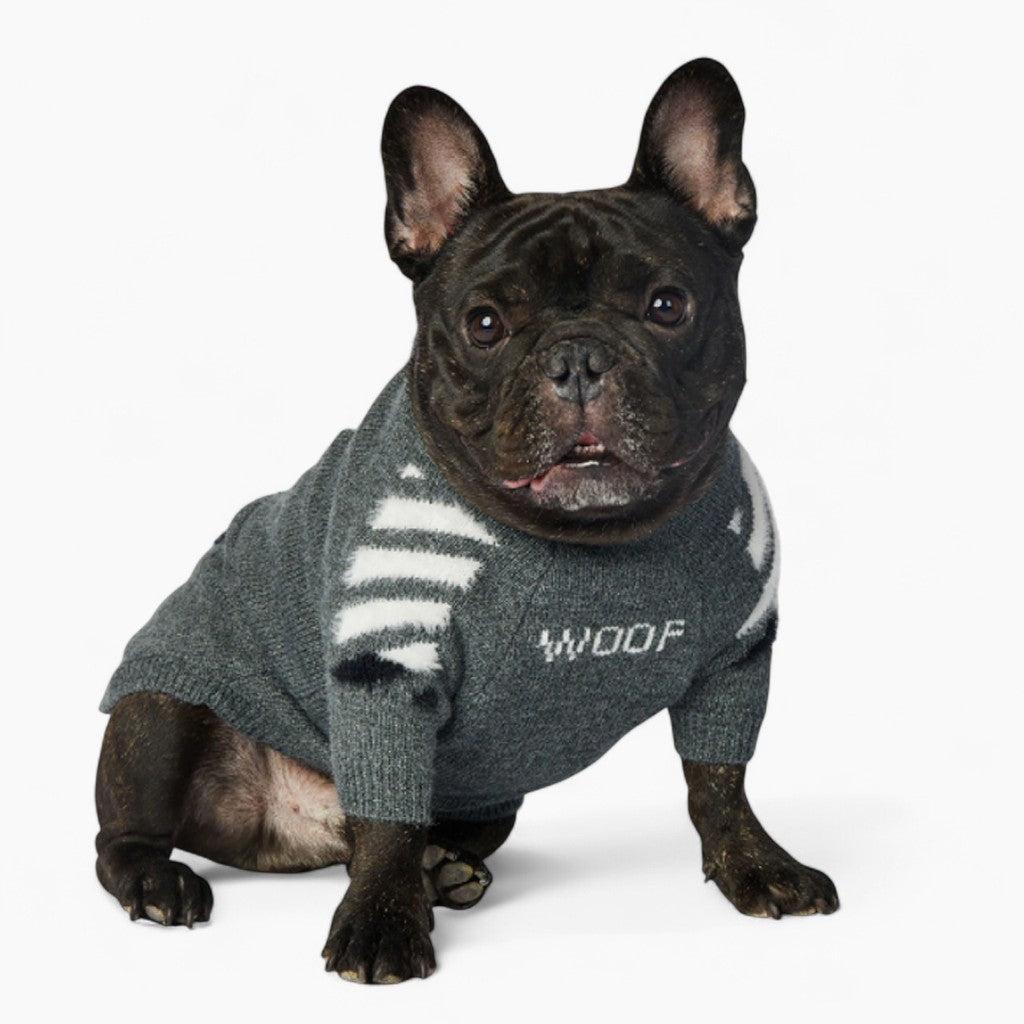


If you've ever caught your Frenchie shaking their head like they're trying to dislodge something invisible, or scratching at their ear until you're worried they'll hurt themselves, you're not alone. Recurring ear infections are one of the most common (and most frustrating) health issues French Bulldog owners deal with. Just when you think the problem is gone, it comes right back a few weeks later.
The good news? Once you understand why Frenchies are so prone to ear trouble in the first place, prevention gets a lot easier. Let's break down what's really going on inside those adorable bat ears.
Frenchie Ears Are Built a Little Differently
Those large, upright "bat ears" are one of the breed's most beloved features, but they're also part of the problem. Unlike breeds with narrow or floppy ears that stay mostly closed off, a French Bulldog's ear canal is wide open to the air. That means dust, pollen, moisture, and debris have an easy path straight down into the ear canal, especially on windy walks or humid days.
At the same time, Frenchies are brachycephalic dogs, meaning they have short skulls and shortened features throughout their body, including their ear canals. A shorter, more compact canal doesn't drain or air out as efficiently as a longer one. So you end up with an ear that's unusually exposed to the outside world, but not especially good at clearing out whatever gets trapped inside. It's a combination that sets the stage for irritation and infection to build up quietly before you even notice anything's wrong.
The Real Reasons Behind Frequent Ear Infections
There's rarely just one cause. Most Frenchies dealing with repeat infections have two or three of these factors working against them at once.
1. Allergies (food or environmental) This is the big one, and it surprises a lot of owners. Ear infections are frequently a symptom of an allergy, not a standalone problem. When a Frenchie reacts to something in their food (chicken and beef are common culprits) or something in the environment (pollen, dust mites, grass), their body responds with inflammation. That inflammation shows up in the skin, and the ear canal is lined with skin. Itchy ears, redness, and excess wax are often the first visible sign that something else is going on internally.
2. Trapped moisture Baths, rain, swimming, even a particularly humid afternoon can leave a damp ear canal. Moisture combined with warmth creates the perfect breeding ground for yeast and bacteria. If ears aren't dried thoroughly after they get wet, that dampness can sit there for hours, quietly setting up the next infection.
3. Excess wax and oil buildup Some Frenchies naturally produce more ear wax than others. Left alone, that wax traps dirt and creates a sticky environment that bacteria love. It's not usually the wax itself causing the problem, it's what builds up around it.
4. Ear mites, yeast, and bacterial overgrowth A healthy ear has a natural balance of bacteria and yeast living on the skin. When that balance tips, usually because of moisture, allergies, or a weakened skin barrier, one organism can overgrow and trigger an infection. Ear mites are less common in adult dogs but do occasionally cause trouble, especially in puppies or dogs who spend time around other animals.
5. Skin folds and poor airflow around the head While the ears themselves are open, the general area around a Frenchie's face and skull doesn't always get great airflow because of their compact build. Combined with frequent scratching (which introduces bacteria from paws) and their tendency to rub their face on furniture and carpet, there are more opportunities for germs to reach the ear than you might expect.
6. Inconsistent cleaning habits This one's on us as owners. Since Frenchie ears look open and easy to check, it's tempting to assume they're self-cleaning. They're not. Skipping regular ear checks means small issues, like a bit of extra wax or mild redness, go unnoticed until they've turned into a full infection.
7. Seasonal changes Many owners notice their Frenchie's ears act up more during certain times of year. Warmer, humid months bring more moisture and outdoor allergens, while dry winter air can make skin (including the skin inside the ear) more prone to cracking and irritation. If your Frenchie seems to get ear infections around the same season every year, that pattern is worth mentioning to your vet, it can help pinpoint whether allergies or environmental triggers are the main driver.
Signs Your Frenchie Might Have an Ear Infection
Catching an infection early makes treatment so much easier. Keep an eye out for:
- Frequent head shaking or tilting
- Scratching at one or both ears
- A strong, unpleasant odor coming from the ear
- Dark, waxy, or yellowish discharge
- Redness or swelling inside the ear flap
- Sensitivity or flinching when you touch the ear
- Rubbing their head against furniture, carpet, or your leg
If you notice more than one of these, it's worth a closer look (and likely a vet visit, more on that below).
Keeping Ears Clean and Comfortable Between Checkups
A consistent at-home routine goes a long way toward preventing the next flare-up, and having the right tools on hand makes it much easier to actually stick with it. A few things from Frenchie Shop that owners find genuinely useful:
- The French Bulldog Antiseptic Face Wipes are gentle, antibacterial and antifungal wipes originally designed for facial folds, but they're just as handy for wiping around the outer ear and the base of the ear flap where dirt and moisture tend to collect. A quick wipe after walks or baths helps stop buildup before it becomes a problem.
- If your Frenchie is nervous about loud environments (which can lead to more head shaking, scratching, and ear irritation from stress), the MuttMuffs Noise-Reducing Waterproof Earmuffs offer a soft, secure fit that also happens to be waterproof, useful for keeping ears dry and protected during baths or rainy walks.
- For dogs who squirm during ear checks or grooming, the Frenchie Nail Trimming Hammock Grooming Restraint Bag makes it much easier to hold your pup gently in place while you inspect and clean their ears without a wrestling match.
Pair any of these with a vet-approved ear cleaning solution (ask your vet for a recommendation, since formulas vary depending on your dog's needs) and you've got a solid, low-stress routine.
How to Prevent Ear Infections Going Forward
Prevention really comes down to consistency, not perfection. A few habits make a real difference over time:
- Check ears weekly. Healthy ears should look clean, light pink, and shouldn't have a strong odor. Make it part of your regular grooming routine so you notice changes early.
- Dry ears thoroughly after water exposure. After baths, swims, or rainy walks, gently pat the outer ear dry with a soft towel or cotton pad. Don't push anything down into the canal.
- Clean gently, not aggressively. Wipe only the parts of the ear you can see. Cotton swabs pushed too far can pack debris deeper or injure the ear canal.
- Address allergies at the source. If your Frenchie has recurring infections alongside itchy skin or paws, talk to your vet about a food trial or allergy testing. Treating the underlying allergy often reduces ear issues significantly.
- Watch their diet. Some owners find that switching to a limited-ingredient or novel-protein food (like salmon instead of chicken) reduces flare-ups tied to food sensitivities.
- Don't over-clean, either. Cleaning too frequently can strip away the ear's natural protective oils and actually make irritation worse. A gentle weekly routine is usually plenty unless your vet recommends otherwise.
When to Call the Vet
Home care handles a lot of minor issues, but some situations need professional attention. Call your vet if you notice:
- Infections that keep coming back despite regular cleaning
- Thick, discolored, or foul-smelling discharge
- Visible swelling, bleeding, or open sores
- Your Frenchie yelping or pulling away in pain when the ear is touched
- Signs the infection may have reached the inner ear, like loss of balance or head tilting that doesn't go away
Chronic ear infections sometimes point to an underlying allergy or skin condition that needs a proper diagnosis and treatment plan, not just repeated rounds of ear drops.
Final Thoughts
French Bulldogs get ear infections often because their anatomy, wide-open canals paired with a short, compact skull, works against them from the start. Add allergies, trapped moisture, and inconsistent cleaning into the mix, and it's easy to see why this breed struggles with ear health more than most. The upside is that a simple weekly routine, the right cleaning tools, and a bit of attention to your Frenchie's diet and environment can prevent the vast majority of flare-ups before they start.
Your Frenchie can't tell you their ears are bothering them, but with a little consistency, you can make sure they rarely have to.