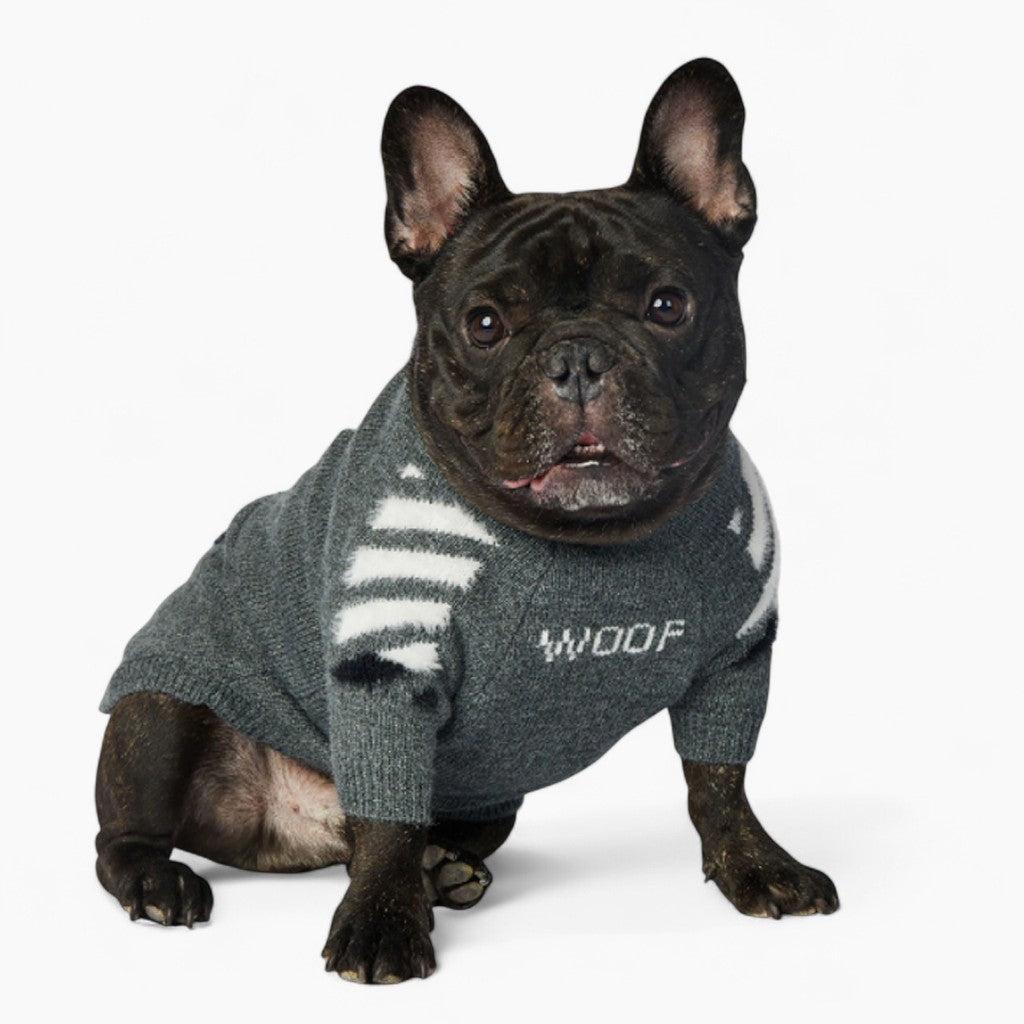


You may have noticed that, with a turn of the seasons, your formerly playful little French Bulldog is a bit more sensitive: he or she may not want to go out on a walk quite as much, or he or she may be a clingy boy or girl inside. And the reason is that seasonal changes do make a big difference, actually, with our flat-faced friends. They have the short muzzle, the compact body, and the single-layer coat that Frenchies are not constructed like some of the more rugged or long-haired breeds, and that fact means every weather change promises and threatens change.
Listen on Spotify
In this guide, we will take you through the reasons why your Frenchie is particularly sensitive to changes of the season, then step-by-step, what to observe and how to react during spring, summer, autumn, and winter.
Why French Bulldogs Are Especially Sensitive to Seasonal Changes
Before we dive into tips by season, it’s worth understanding why the Frenchie breeds need our special attention when the weather shifts.
Firstly, their brachycephalic (flat-faced) structure limits airflow, making it harder for them to cool down. That’s why many owners wonder, “Can French Bulldogs regulate their temperature?” and the truth is, not efficiently. Their short muzzle and narrow nostrils reduce their ability to pant effectively, which is their main cooling mechanism.
Secondly, they possess a short, single-layer coat without a thick undercoat to keep them warm. Therefore, when it is cold, they are not provided with a warm winter coat, and when it is hot, the heat will enter faster. You may even question, what is the limit of the temperature that French Bulldogs can tolerate? They usually grow well at temperatures of 60 degree F to 70 degree F (15 °C to 21 °C).
Lastly, since they are rather small and low, such factors as hot pavement or icy ground have a more direct influence on them. This is the reason, as a proprietor, you need to interpret the shifting seasons as they do and respond.
1. Fall & Spring: Transition & Allergy Risk
As your Frenchie emerges from the heavier indoor time of winter, you’ll likely see more energy, more outdoor interest, and more daylight. At the same time, temperatures begin to rise, pollen counts climb, and you might see extra shedding or changes in coat/skin behaviour. Spring is a peak shedding time for Frenchies as they adjust from cooler to warmer months, but some owners believe that the Frenchies shed in summer.
Because the weather may still swing colder overnight, your Frenchie might feel cool in the early morning or evening, even as daytime warms up.
Risks & Warning Signs
In this season, you’ll want to watch for:
- Increased scratching, red or irritated skin, watery or red eyes signs of allergies or irritants.
- Losing more fur than usual, more shedding is normal, but if you see bald patches or skin changes, that might signal a problem.
- Dehydration when outdoor time increases, even as the weather still feels mild, more activity means higher water requirements.
Over- or under-dressing your dog (too warm or still too cool) because the day-to-night temperature shifts may mislead you.
Practical Tips for Spring
- Grooming schedule: Brush your Frenchie at least once a week, and increase frequency if you see more loose fur. A soft‐bristle brush or grooming glove works well.
- Allergy preparedness: After time outside, gently rinse or wipe paws and under-belly to remove pollen or grass irritants. Keep indoor air and surfaces cleaned (dust, pollen) and monitor for skin/eye signs.
- Hydration & shade: Make fresh water readily available. Even if the day isn’t super hot, your dog’s system is adjusting.
- Walk timing & activity: Early-morning or later evening may still be cool; Avoid midday walks as temperatures rise. Check the temperature to walk a French Bulldog (ideally below 75°F). Gradually increase outdoor time rather than “go full throttle.”
- Bed & indoor micro-climate: Your dog’s bed should still be in a cozy spot, not too warm, not drafty. Consider a lightweight blanket (for cooler nights) rather than heavy bedding.
- Diet & weight monitoring: With warmer weather and possible increased activity, adjust feeding portion or frequency if your vet advises; more activity can change energy needs.
Check Out the Available Products for a Spring Season


2. Summer: Heat & Humidity Danger
Summer is a critical time for your Frenchie’s safety. As the breeders and vets note, their flat face and brachycephalic features make them more likely to suffer from overheating or heat stroke. They struggle to cool down via panting compared to longer-muzzled breeds. Also, hot surfaces, high humidity, and direct sun become real threats. Frenchies can’t regulate their body temperature effectively.
So, what weather is too hot for French Bulldogs? Anything above 80°F (26°C) can become risky, especially in humid conditions. A French Bulldog stays outside in the heat for 10 to 15 minutes at most during cooler hours. For reference, use a French Bulldog temperature chart to track safe temperature ranges for outdoor activity.
Signs of Heat Stress / Overheating
You’ll want to immediately respond if you see:
- Heavy, rapid panting or drooling with darkened gums or tongue.
- Reluctance to move, collapse, or wobble. These are emergency signs.
- Redness of mucous membranes, unusual lethargy, vomiting, or diarrhea in a hot environment.
If such signs appear, move your dog to a cool spot, offer water, and seek veterinary care if the condition worsens.
Summer-Specific Tips
- Walk smart: Limit outdoor time to early morning or evening when surface temperatures and air temperatures are cooler.
- Check surfaces: Pavement and asphalt absorb heat and can burn paws. Use your hand if it’s too hot for you; it’s too hot for the dog.
- Shade & cooling gear: Use a cooling vest or bandana for outdoor use. Cooling mat for indoor lounging during warm afternoons. Portable shade/sun-tent for backyard use. Paw protection if the dog walks on hot surfaces (booties or paw balm).
- Hydration: Always keep fresh water accessible. Frozen water bottles or ice cubes can help (but not substitute adequate hydration).
- Indoor refuge: Ensure your dog has access to an air-conditioned or well-ventilated space; do not leave them in parked cars or closed rooms in high heat. Never leave your French Bulldog in hot weather unattended in cars or closed spaces.
- Limit exertion: Avoid long runs, high-intensity play during the heat; consider indoor games or training instead.
Browse the top collection of Accessories for Summer


3. Autumn: Transition & Preparation for Cold
As temperatures begin to drop, daylight shortens, and the outdoor environment changes, leaves fall, humidity shifts, and your dog may naturally reduce outdoor activity. Your Frenchie might feel a drop in energy or a change in routine. Also, many owners overlook that just because it’s not cold yet, there are still transitional issues.
Risks & Warning Signs
- Lowered activity may lead to weight gain if diet and portion sizes aren’t adjusted.
- Chilly evenings/early mornings may make your Frenchie feel cold. Their short coat offers limited insulation.
- Debris such as fallen leaves can hide hazards (e.g., toxic plants, insects) in your yard.
- Lowering temperatures at night may cause comfort issues: shivers, reluctance to go out, and staying in corners.
Autumn-Specific Tips
- Adjust feeding: If you notice your dog is less active or less willing to play outdoors, talk with your vet about adjusting portion size or food type.
- Comfortable bed area: Move their sleeping area away from chilly drafts, doors/windows; add a light blanket or cushion for extra warmth.
- Grooming & cleanup: Continue brushing, picking up leaves, debris, and making sure coat stays clean.
- Hydration still matters: Even though it’s cooler, your Frenchie still needs fresh water; indoor heaters can dry the air.
- Outdoor gear: Consider a lightweight dog sweater or jacket for evening walks when temps drop; shorter walks may be acceptable, but make them count.
- Yard safety: Rake and remove fallen leaves; inspect the ground for possible irritants.
Explore top accessories for autumn comfort.


4. Winter: Cold Weather Care & Mobility
Winter poses a challenge for short-haired breeds. Frenchies regulate their body temperature in the cold only to a small degree. They are poorly adapted to low temperatures, icy surfaces, and cold conditions. They don’t tolerate cold as well as some breeds (lack of undercoat, compact stature), and cold surfaces can stress their joints and paws. They face different winter health risks due to the cold winter.
The signs of cold stress/hypothermia include
- Shivering, reluctance to step outside, holding up paws.
- Cold ears/body, pale gums, slow movements.
- After exposure, coughing, wheezing, or prolonged cold symptoms may need vet care.
If you notice these signs, bring your dog inside, offer a warm bed, a dry environment, and consult your vet if symptoms persist to keep your French Bulldog warm at night.
Winter-Specific Tips
- Limit outdoor time: Shorter walks are fine, but don’t push through long exposures to cold, especially in windy or wet conditions.
- Dress for warmth: Provide a well-fitting jacket or coat designed for short-haired breeds. This isn’t about fashion only it’s about safety and comfort.
- Paw protection: Use booties or apply paw balm to protect from salt, ice, and cold surfaces. After walks, rinse paws to remove ice-melt chemicals.
- Warm indoor space: Move the bed away from cold floors, doors, and drafty spots. Provide a blanket or raised bed to keep off cold ground.
- Indoor activity: On very cold or icy days, arrange indoor play, training games, and mental stimulation so your dog isn’t bored or under-exercised.
- Hydration & diet: Even though it’s cold, your Frenchie needs proper hydration in winter; sometimes indoor heating dries the air more than you realize. Monitor weight, too decreased activity plus rich treats = weight gain.
- Avoid dangerous conditions: Don’t leave your Frenchie in a partially heated garage or car in cold weather. Be mindful of frostbite risk, especially on the ears, nose, and paws.
Check out Trendy Options


Year-Round Health Tips for Frenchie Seasonal Care
Regardless of the season, certain tips are applicable in all types of seasons, and they are necessary for the well-being of your French bulldog.
- Arrange regular veterinary checkups to monitor the health of your Frenchie. If you have any kind of concern about their health, discuss it with your vet promptly.
- A well-balanced diet is essential for your French bulldog regardless of their weight, age, and health condition. Discuss with your vet about the nutritional changes necessary according to the season.
- Even in extreme weather, make sure that your Frenchie is getting regular exercise. This can be achieved through short walks or indoor activities.
- French bulldogs love human companionship. Try to spend some quality time with your pup and strengthen your bond to ensure their well-being.

Conclusion
It can be spring, summer, fall, or winter, and everything depends on how well you take care of your French Bulldog. You can control their temperature sensitivity, the natural cycles, such as when Frenchies are first in heat and how many times they are in heat, so you know when you can expect the needs of the animal throughout the year.
Having the appropriate consideration of climate, hydration, grooming, and protection, you will be able to see your Frenchie prosper during all seasons of bulldogs. They are full of warmth, vitality, and affection; you only need to be conscious of the seasons to make them express it as best they can.