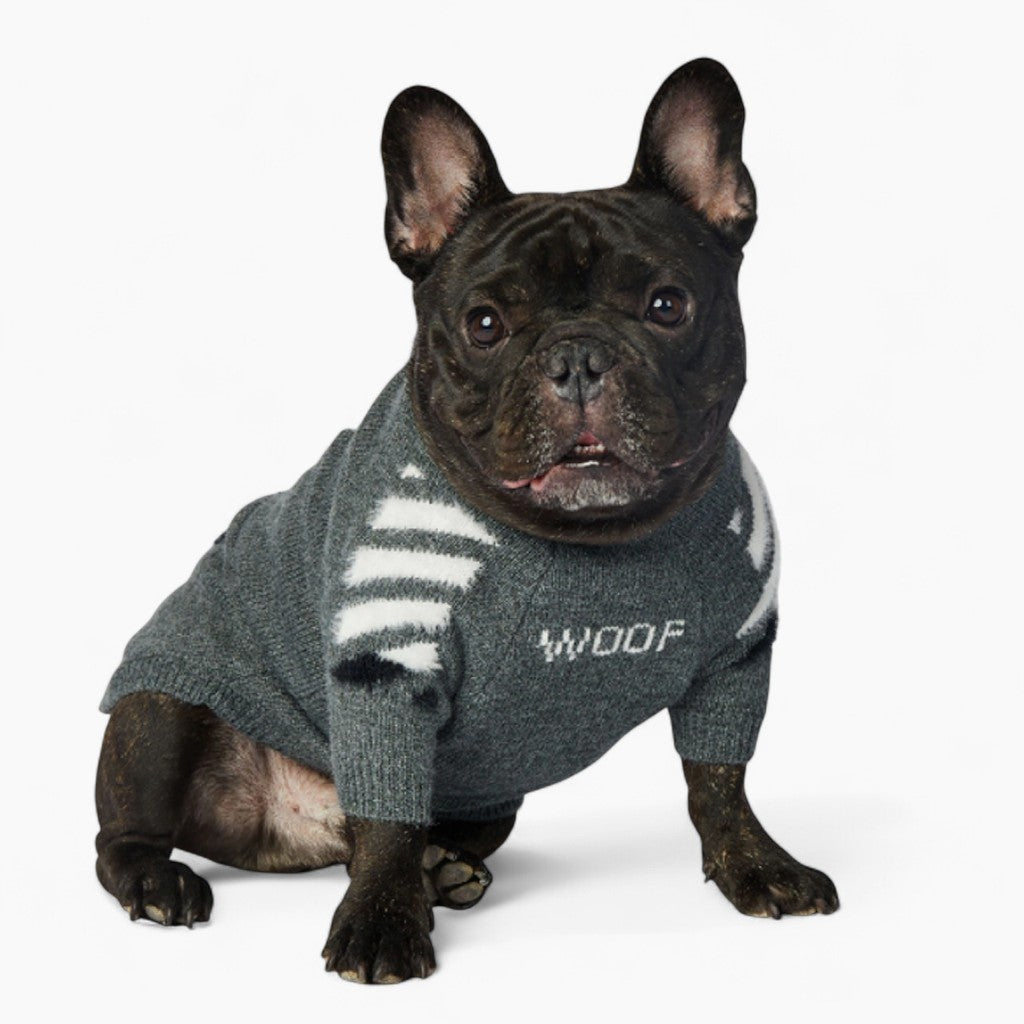


Congratulations, you've brought home a French Bulldog! Those bat ears, that squishy face, and that snorty little personality will steal your heart within the first hour.
They'll also leave a puddle on your rug within the second.
Every new Frenchie parent goes through it. Frenchies are smart, funny, and loving, but they're also stubborn, sensitive, and not always easy to train. This guide covers the two biggest struggles in the first few months, potty accidents and barking, plus a few other basics that will make life with your pup smoother.
Why Frenchies Can Be Tricky to Train
French Bulldogs were bred to be companions, not working dogs, so they aren't naturally eager to please like a Labrador or Golden Retriever. They have strong opinions, a stubborn streak, and a surprisingly short attention span.
They're also small, with small bladders and sensitive bodies. Many Frenchies hate rain, cold pavement, and hot sidewalks, which makes outdoor potty training harder than it looks.
The good news is that Frenchies respond well to patience, routine, and positive reinforcement. Tiny treats and lots of praise go a long way.
Frenchie Potty Training: What to Expect
Let's start with the topic that dominates every new owner's life: French Bulldog potty accidents.
Why Accidents Happen
Accidents are normal, especially in puppies under six months. The usual reasons are:
- A tiny bladder. Young puppies can only hold it for about an hour per month of age, so a 3-month-old needs frequent breaks.
- Excitement. Playtime, visitors, and new people can all lead to surprise puddles.
- Inconsistent routines. If potty breaks happen at random times, your pup can't learn the pattern.
- Weather. Many Frenchies flat-out refuse to go out in rain, snow, or extreme heat.
- Incomplete cleanup. If a spot still smells like pee to your dog, they'll go there again.
Your Potty Training Checklist
1. Build a schedule. Take your puppy out first thing in the morning, after meals, after naps, after play, and right before bed. For young puppies, that can mean every one to two hours.
2. Pick one potty spot and one command. Take your Frenchie to the same place each time and use a simple phrase like "go potty." Repetition builds the connection.
3. Reward immediately. Praise and a small treat should happen the moment your pup finishes, not when you get back inside. Timing is everything.
4. Never punish accidents. Frenchies are sensitive, and scolding usually teaches them to hide when they need to go instead of teaching them where to go. Calmly clean up and move on.
5. Use an enzymatic cleaner. Regular household cleaners don't remove the odor traces that tell your dog "this is a bathroom."
6. Supervise. If you can't watch your puppy, use a crate or a playpen. Dogs naturally avoid soiling where they sleep.
When Outdoor-Only Training Isn't Enough
Not everyone can rush outside every hour. If you live in an apartment, work long hours, deal with harsh winters, or have a pup who simply hates the rain, an indoor potty option can save your sanity (and your floors).
That's where a dedicated toilet tray comes in. The FrenPotty Frenchie Toilet Tray – Raised-Grid Indoor Dog Potty is designed with Frenchies in mind. The raised-grid design helps keep your pup's paws up and away from the mess, which is a big plus for a breed that can be picky about getting dirty.
Here's how to use an indoor potty tray effectively:
- Place it in a quiet, consistent spot, away from food and bedding.
- Guide your puppy to it at the same key times you'd head outside, such as after meals and naps.
- Use the same command and reward every success.
- Keep it clean. Dogs avoid dirty potty areas just like we do.
An indoor tray can work as a full-time solution for small dogs or as a backup for bad-weather days. Either way, consistency is what makes it work.

Frenchie Barking: Why It Happens and How to Handle It
Frenchies aren't known as the loudest breed, but they do have plenty to say, and they'll say it at 6 a.m., when the delivery driver arrives, or when you leave the room.
Common Reasons Your Frenchie Barks
- Attention seeking. Frenchies are clingy and love being the center of the world.
- Separation anxiety. Many Frenchies hate being left alone.
- Boredom. A bored Frenchie finds its own entertainment, and it's usually noisy.
- Alerting. Doorbells, footsteps, and hallway noises can all set them off.
- Excitement or frustration. Waiting for a walk or dinner can trigger a barking session.
Training Tips to Reduce Barking
Figure out the "why" first. A dog barking from boredom needs a different fix than one barking from anxiety.
Don't reward the noise. If your pup barks for attention and you respond, you've just taught them that barking works. Wait for a quiet moment, then reward calm behavior.
Teach "quiet." When your dog stops barking, even for a second, say "quiet" and offer a treat. Gradually extend the quiet time before the reward.
Give them enough activity. Frenchies don't need marathon exercise, but short walks, sniff time, and puzzle toys prevent boredom barking. Always keep exercise gentle, since this is a breed that overheats easily.
Practice short absences. Leave for a minute, return calmly, and slowly build up the time. This helps with separation-related barking.
Using a Training Aid the Right Way
Some dogs need a little extra help interrupting the barking habit while training takes hold. The BarkEase French Bulldog Ultrasonic Anti-Barking Training Device is a rechargeable, waterproof bark control device with 3 adjustable modes, so you can choose the setting that suits your dog's sensitivity and your household.
A few tips for using a device like this responsibly:
- Treat it as a training tool, not a magic fix. It works best alongside positive reinforcement, so pair it with rewards for quiet behavior.
- Start with the gentlest mode and only adjust if needed.
- Watch your dog's reaction. If your Frenchie seems stressed or fearful, stop and rethink your approach.
- Address the root cause. If the barking comes from anxiety or pain, talk to your vet or a trainer rather than relying on a device alone.

Everything in Between: More New Frenchie Owner Basics
Potty training and barking take up most of the headspace in the early weeks, but a few other things deserve your attention.
Watch the heat. Frenchies are brachycephalic (short-nosed), which makes it harder for them to cool down. Avoid midday walks in warm weather, always provide water and shade, and learn the signs of overheating: heavy panting, drooling, and reluctance to move.
Feed thoughtfully. Many Frenchies have sensitive stomachs. Choose a quality diet, keep portions consistent, and avoid sudden food changes. Slow feeders can help dogs who gulp their meals.
Use a harness, not a collar. Because of their short airways, a well-fitted harness is safer than pulling against a collar on walks.
Socialize early. Introduce your puppy to different people, sounds, and (vaccinated) dogs in a calm, positive way. A well-socialized Frenchie is a more confident and less reactive one.
Keep up with vet visits. Frenchies are prone to skin issues, ear infections, and breathing concerns. Regular checkups catch problems early.
Be patient. Some days your Frenchie will look like a genius. Other days they'll pee next to the tray while looking you dead in the eye. Both are normal.
Final Thoughts
Raising a French Bulldog is a mix of laughter, snoring, stubbornness, and a lot of cleaning in the early days. Accidents and barking feel overwhelming at first, but with a consistent routine, positive training, and the right tools, most Frenchies settle in beautifully.
Stay patient, celebrate the small wins, and remember that every wiggly, snorty moment is worth it.
More Reads for New Frenchie Owners
- 5 Signs Your Frenchie's Harness Doesn't Fit — And What to Do About It
- Signs Your French Bulldog Is Overexerted on Walks (And What to Do)
- French Bulldog Throwing Up After Meals: Normal or Cause for Concern?