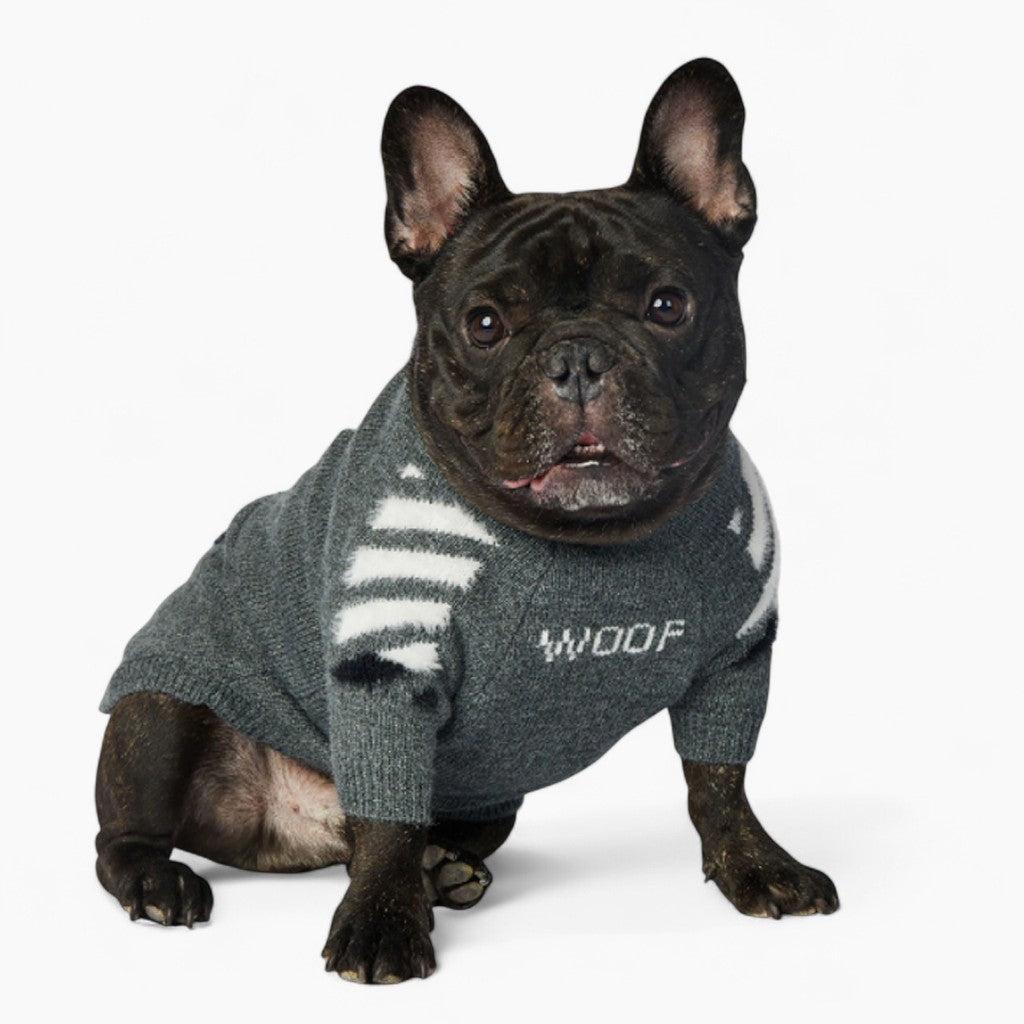


If you've caught your Frenchie mid-lick session on the couch, again, you're not imagining it. That rhythmic slurp-slurp-slurp sound is one of the most common, and most confusing, habits French Bulldog owners deal with. A little paw grooming here and there is completely normal. But when your Frenchie can't seem to stop, when the fur looks damp or reddish-brown, or a musty smell starts creeping in, it's time to figure out why, and more importantly, what actually helps.
The good news is that excessive paw licking in French Bulldogs is almost always manageable once you find the root cause. Below is a vet-informed, step-by-step approach to help your Frenchie feel more comfortable and break the licking cycle for good.
Why Do Frenchies Lick Their Paws So Much?
French Bulldogs are especially prone to paw licking because of their skin type, wrinkles, and short, dense coats. Their sensitive skin and tendency toward allergies make their paws an easy target for irritation. The most common causes include:
- Environmental allergies — pollen, grass, dust mites, and mold are frequent triggers, especially during spring and fall.
- Food sensitivities — chicken, beef, dairy, and grains are among the most common culprits in dogs.
- Contact irritants — de-icing salt, lawn chemicals, hot pavement, and even residue from cleaning products can sting sensitive paw pads.
- Yeast or bacterial infections — these often smell musty or sweet, and the skin between the toes may look pink, red, or greasy.
- Dry, cracked paw pads — common after walking on hot summer sidewalks or salted winter streets.
- Anxiety or boredom — licking releases calming endorphins, so it can become a self-soothing behavior that sticks around even after the original trigger is gone.
- Minor injuries — splinters, small cuts, or embedded debris between the toes.
Because so many causes overlap, there's rarely a single fix that works for every Frenchie. That's why it helps to work through the problem step by step rather than jumping straight to a remedy.
Step 1: Watch for Patterns Before You Treat Anything
Before reaching for any product or remedy, spend a few days simply observing your dog. A little detective work now saves a lot of guesswork later. Ask yourself:
- Does the licking happen right after walks? That often points to a contact irritant or seasonal allergy.
- Is it worse at certain times of year? Seasonal spikes usually mean environmental allergies.
- Is it one paw or all four? One paw often means a localized injury or irritation. All four paws more often points to allergies or anxiety.
- Does the licking get worse when your Frenchie is left alone or under-stimulated? That's a sign boredom or anxiety may be involved.
This pattern-spotting step alone resolves a surprising number of cases, because it tells you whether you're dealing with a skin issue, an environmental trigger, or a behavioral one, and each of those calls for a different approach.
Step 2: Clean and Inspect the Paws Daily
Frenchie paws pick up pollen, dirt, and allergens throughout the day, all of which sit against the skin and cause irritation if left there. Building a simple daily habit makes a real difference:
- Wipe paws with a damp cloth or pet-safe wipe after every walk.
- Check between the toes for redness, swelling, or a yeasty smell.
- Trim excess fur around the paw pads so debris has less surface to cling to.
- Dry paws fully, since trapped moisture is one of the leading causes of yeast overgrowth in Frenchies.
This is also a good moment to check for cracked or flaking pads, especially after hot pavement in summer or salted sidewalks in winter.
Step 3: Soothe Dry or Irritated Paws
If your vet has ruled out infection and the licking seems tied to dryness, cracking, or general irritation rather than allergies, a moisturizing paw balm can help calm the skin and reduce the urge to lick. We formulated our Frenchie Nose Elbow Paw Butter Balm specifically for this kind of everyday relief. It's designed to soothe dry, cracked paw pads (plus noses and elbows), and since it's travel-friendly, it's easy to toss in a bag for a quick touch-up after walks or before bed.

A quick tip: apply balm at bedtime rather than right before a walk. It needs a few minutes to absorb, and you don't want your Frenchie tracking through dirt or grass on a freshly balmed paw, which can trap irritants against the skin instead of protecting it.
Step 4: Break the Physical Licking Habit
Sometimes the skin has already started healing, but the licking has become a habit on its own. Other times, you simply need a barrier while a prescribed treatment has a chance to work. In these cases, a physical barrier can interrupt the cycle without adding stress. Our PawGuard Paw Protectors are a simple option here: they keep paws dry, clean, and shielded from hot sidewalks, allergens, salt, and moisture, while also making it harder for your Frenchie to get their tongue directly onto irritated skin during the day.

Paw protectors aren't a permanent fix on their own, but they buy the skin time to heal while you work through the other steps, and they double as protection on hot or icy walks going forward.
Step 5: Rule Out Food and Environmental Allergies
If the licking is chronic rather than occasional, allergies are one of the most likely culprits, and they're also the trickiest to pin down without some patience. A few starting points:
- Try an elimination diet under your vet's guidance to identify potential food triggers, one ingredient at a time.
- Wash bedding weekly to cut down on dust mites, a common year-round allergen.
- Rinse or wipe paws after grass or park visits during high-pollen seasons.
- Ask your vet about antihistamines, a hypoallergenic diet trial, or allergy testing if symptoms are seasonal and significant.
Step 6: Address Anxiety-Driven Licking
If the licking happens mostly when your Frenchie is bored, alone, or stressed, the fix isn't about the paw at all, it's about the trigger underneath it. A few things that tend to help:
- More mental stimulation throughout the day, like puzzle toys, sniff walks, or short training sessions.
- A consistent daily routine, since Frenchies tend to do best with predictability around meals, walks, and alone time.
- Calming aids such as a snug wrap, white noise, or a designated cozy space they can retreat to.
- Gradual desensitization training if the anxiety is specifically tied to being left alone.
Licking that continues even after the skin looks completely healthy is often a strong sign that anxiety, not allergies, is the real driver, and it's worth treating it as its own issue rather than only a skin problem.
When to Call the Vet
Most paw licking responds well to the steps above, but it's time to book a vet visit if you notice:
- Swelling, oozing, or a strong, unpleasant odor
- Limping or reluctance to put weight on the paw
- Hair loss or raw, open skin between the toes
- Licking that doesn't improve after one to two weeks of consistent home care
- Licking that comes on suddenly and intensely, especially in just one paw
These signs can point to infections, embedded foreign objects like splinters or grass seeds, or allergies severe enough to need prescription treatment. Catching them early usually means a faster, easier recovery for your Frenchie.
A Simple Daily Routine to Prevent Paw Licking
If you want one habit to start with today, try this short routine after every walk:
- Wipe down all four paws with a damp cloth.
- Check quickly between the toes for redness or debris.
- Apply a light layer of paw balm if the pads look dry.
- Offer a chew toy or short play session to redirect any leftover licking energy.
Small, consistent habits like this catch irritation early, long before it turns into an all-day licking habit.
The Bottom Line
Excessive paw licking in French Bulldogs is rarely "just a habit." It's almost always your Frenchie's way of telling you something, whether that's an allergy, dry skin, or stress that needs an outlet. By watching for patterns, keeping paws clean, soothing irritation, and addressing the root cause instead of just the symptom, most Frenchies see real improvement within a couple of weeks. And if things don't improve, your vet is always the best next step for a proper diagnosis.