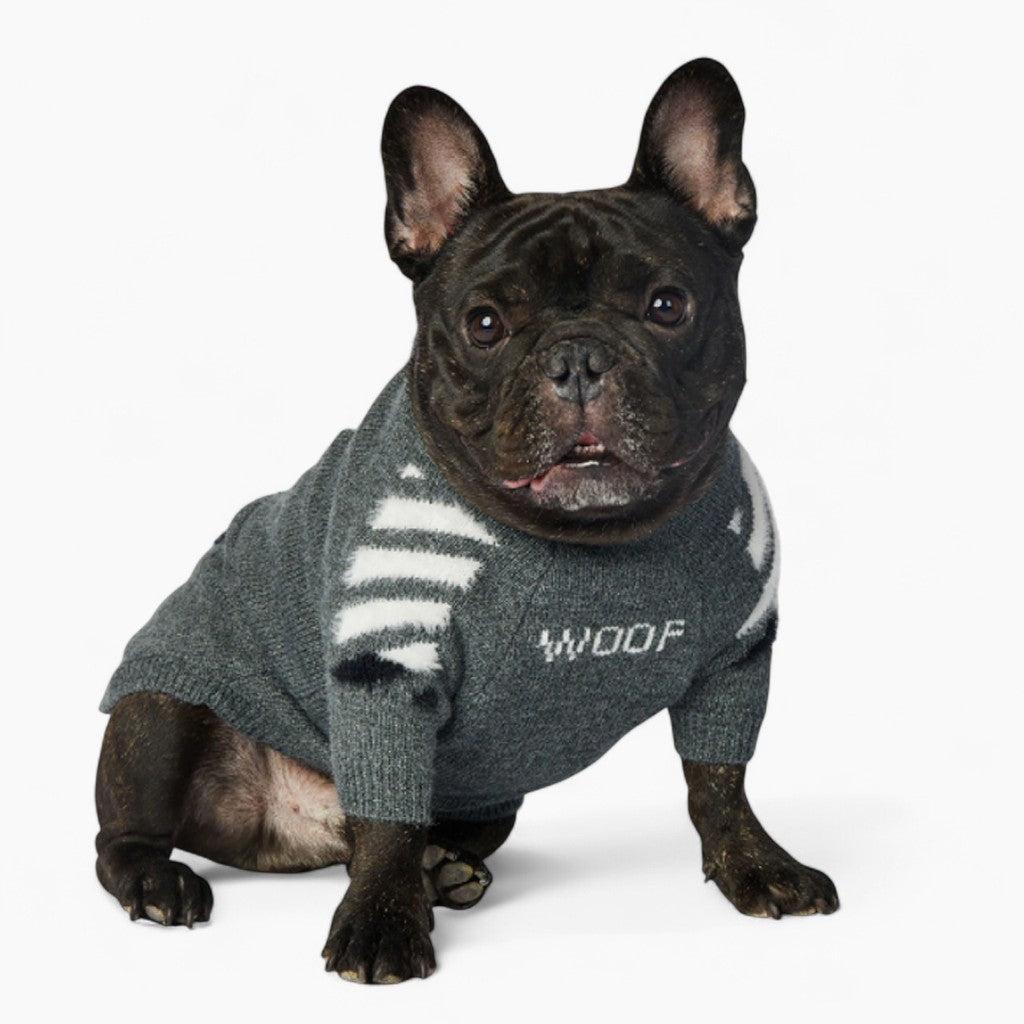


As winter approaches, the temperature goes down, but the pet owners start focusing on things that keep their French Bulldogs cozy and warm. It’s true that the winters are harsh for pets, so you have to pay special attention to give them comfort, and the most important aspect is not to overlook their hydration status. In fact, winter can make keeping your Frenchie well hydrated even more challenging and more important.
If you’ve ever noticed your Frenchie drinking less, having dry gums, or seeming stiff after a short walk in winter, those could be early red flags. In what follows, we’ll explore eight concrete, vet-backed reasons why keeping your French Bulldog properly hydrated during winter isn’t just nice, it’s essential to keep it safe from different winter health risks.
Listen on Spotify
Plus, we’ll share what to watch out for and simple, effective ways to support their hydration without making extra work or disrupting your routine.
1. Kidney Stress, UTIs, and Stone Formation
When a dog doesn’t drink enough water, the urine becomes more concentrated. High concentration means less water diluting the minerals and waste products in the urinary tract. For French Bulldogs, this can mean more risk of urinary tract infections (UTIs), kidney stones, or other kidney stress.
Also, winter can reduce how often pups go outside to urinate due to cold weather, shorter daylight, and reluctance to venture outside. So not just less drinking, but less elimination. Waste builds up, putting stress on the kidneys. Chronic mild dehydration can push the kidneys to work harder, which, over time, leads to decreased efficiency or disease. What you (owner) might see or worry about:
- Less urination, urine is darker, smells stronger.
- Sometimes blood or discomfort when urinating.
- The dog seems to strain or avoid urinating.
What Can You Do?
- Encourage water intake (fresh, clean water always available, maybe warmer water).
- Use wet/canned food or add water to dry food to increase moisture intake.
- Maintain regular outdoor potty breaks even in cold weather.
2. Brachycephalic Breathing & Mucous Membrane Health
French Bulldogs are brachycephalic (flat-faced), which means their breathing system is less efficient than that of longer-muzzled dogs. They rely on moist mucous membranes inside the mouth, nose, and throat to cool air, exchange heat, and keep air passages moist. If a dog is somewhat dehydrated, those mucous membranes dry out, saliva thickens, and breathing becomes more labored. Dry mouth, dry gums, constant panting, even in a mild cold, can result.
Indoor heaters dry the air, and humidity drops. The dryness causes mucous membranes to lose moisture faster. What owners may notice?
- Thick, stringy saliva; the mouth feels sticky.
- Dry or tacky gums.
- More nasal irritation, maybe the nose becomes cracked.
- Panting more than normal, especially after mild activity.
What To Do?
- Use humidifiers indoors to raise humidity levels (aim for ~30-50%).
- Offer water frequently; warmish water (not hot) may feel more comfortable.
- Monitor inside air dryness; avoid overheating.
- Possibly see a vet if breathing worsens.
3. Skin, Coat Issues & Winter “Localized Skin Infections”
Hydration plays a big part in skin barrier function. Dog skin needs moisture to stay flexible, resist cracks, and resist infection. In winter, cold air outside + dry heated air inside = moisture loss. If a French Bulldog is dehydrated internally, the skin and coat suffer faster.
Breed-specific: Frenchies have skin folds, wrinkles; those folds trap moisture (or lack of), bacteria, and can become infected if the skin barrier is broken. Also, the coat is relatively short, so less insulation and more exposure. Plus, with dehydration:
- Dull, brittle, or dry fur instead of its normal sheen
- Itchiness, scratching more than usual
- Cracks or redness in skin folds; flaky skin or dandruff
What Should You Do?
- Make sure the diet has enough essential fatty acids (Omega-3, Omega-6). These help skin retain moisture.
- Use moisturizing/wound healing shampoos sparingly; avoid over-bathing.
- Use a humidifier in the home.
- After walks, especially in cold/dry weather, clean paws, skin folds, and dry well.
4. Prevent Constipation & Support Digestion
Water is essential in digestion; it helps food pass and helps soften stool. When a dog is dehydrated, water is pulled from the large intestine to maintain core hydration, leading to dry, hard stool and constipation. French Bulldogs often eat dry kibble, which already has lower moisture content; when they don’t drink enough, the risk of constipation increases.
Also, dehydration slows metabolic processes and reduces gut motility. A dog might feel less hungry, eat more slowly, and have less frequent bowel movements. That causes discomfort and sometimes vomiting or other GI issues. What owners may observe:
- Hard, dry stools.
- Straining to defecate.
- Less frequency of bowel movements.
- The dog seems bloated or uncomfortable in the abdomen.
Steps You Can Take
- Increase moisture in the diet, wet food, broth, or mix water into dry food.
- Ensure fresh water is always available and easy to access.
- Gentle exercise to help stimulate gut motility.
- Monitor stool: color, consistency, frequency. If it gets worse, see a vet.
5. Joint Lubrication & Mobility (Especially Older Frenchies)
Joints are “water-rich.” Cartilage, synovial fluid, tendons, and ligaments all rely on good hydration to cushion movement. In winter, muscles stiffen, and circulation can slow (especially in chilly conditions or when the dog rests more). If hydration is low, synovial fluid becomes less effective, tendons become less flexible, and pain or stiffness sets in.
For older French Bulldogs with tendencies toward hip or elbow dysplasia, or arthritis, dehydration exacerbates discomfort: stiff joints, reluctance to move, and slower recovery after activity. What you might notice:
- The dog is reluctant to jump or climb stairs.
- More stiffness in the morning or after resting.
- Slower recovery after walks or play.
- Maybe more whining or signs of discomfort.
What To Do?
- Make sure water is at the correct temperature and accessible.
- Gentle warm-ups before activity.
- Comfortable bedding, warm resting places to reduce cold stress.
- Maintain weight; extra weight makes joints worse.
- Possibly supplements (e.g., glucosamine), but always check with the vet.
6. Maintain Energy, Digestion & Medication Safety
Hydration supports many internal systems: circulation, digestion, absorption of nutrients, metabolism, and processing of medications. When a French Bulldog is dehydrated, energy levels drop. Digestion slows. If the dog is on medication, absorption might be less predictable, increasing the risk that the medication isn’t effective or causes side effects.
Owners may worry: the dog looks tired, less playful, and is eating less. Sometimes people think that’s “just seasonal lethargy,” but dehydration can be a big part.
Also, colder weather can sometimes mask thirst, so the owner may think the dog doesn’t need as much, but the body still uses water for metabolic tasks (digesting, maintaining temperature, etc.).
- The dog seems lethargic, less interested in play.
- Eating less or skipping meals.
- Medications (if any) are not seeming to work, or side effects.
- Digestive upsets: mild nausea, slow digestion.
What To do?
- Ensure hydration supports meals (offer water around feeding times).
- Monitor how the dog responds to medications; talk to the vet about possible hydration support.
- Keep the diet balanced and palatable.
- Watch energy levels; adjust walks/play accordingly.
7. Thermoregulation & Recovery After Activity
Even in winter, dogs generate heat from moving, playing, and being outside. They also lose heat rapidly, so they may breathe more, pant inside, or expend energy to stay warm. Each of these processes involves water loss. Cold air tends to be dry, so moisture is lost via breathing and skin. Indoor heating dries air, increasing moisture loss.
After any physical activity, your Frenchie needs water to help cool down (or re-warm up), recover, and replace fluids lost during breathing or mild exertion.
Also, if water is cold or partially frozen, the dog may drink less. What you may notice:
- After walks (even short ones), the dog pants and seems thirsty.
- The dog avoids going outside, preferring warmth.
- The water bowl sometimes has ice, and the dog avoids it.
What to do?
- Offer water immediately after activity.
- Keep water at a moderate temp (avoid ice cold).
- Use indoor humidifiers.
- If the bowl is freezing outside, keep indoor water stations.
- Warm environment for resting after outside walks.
Consider suitable water bowl options


8. Reduce Risk During Illness & Emergency
When your dog gets ill (vomiting, diarrhea, fever, or surgery recovery), fluid loss increases. During winter, cold stress + illness make dehydration risk higher. Also, pre-existing mild dehydration makes recovery slower.
In emergencies, hydration status can determine if a dog needs hospital IV fluids. Better prevention means fewer crises.
Owners often worry about: seasonal illnesses, kennel cough, digestive issues, and post-op care. If the dog is already marginally dehydrated, these events worsen fast. What to watch for:
- Vomiting, diarrhea, and signs.
- Gum dryness, skin tenting.
- Sunken eyes, lethargy.
- Appetite loss.
What To Do?
- At the first signs of illness, offer fluids frequently (small, easy sips).
- Use low-sodium, vet-approved broths for dogs to encourage fluid intake.
- Consult a vet early.
- Keep warm, comfortable resting area.
How Much Water Does a French Bulldog Need in Winter?

It varies by weight, age, health condition, and activity level. The rule of thumb is about 1 ounce per pound of body weight per day (≈ 30-35 ml per kg), but this is the baseline.
In winter, you may need to adjust upward slightly because indoor heating and dry air sap moisture. Adding a balanced food or broth adds to hydration. Always monitor output (urination, stool, energy) and adjust.
Practical Tactics to Keep Your Frenchie Hydrated in Winter
Here’s what will help you make hydration easier, practical, and aligned with Frenchie’s preferences and owner concerns. These practical tips prepare your French Bulldog for winter.
- Multiple water bowls around the house: Place bowls in their favorite resting spots (bedroom, living room). If water is far, they may avoid going.
- Use fountains or moving water bowls: Many dogs prefer flowing water; it stays fresher and can encourage sipping.
- Warm‐up water: In very cold homes, water can be unappealing if it's too cold. Slightly warm (but not hot) water might encourage drinking.
- Mix wet food or warm broth: Even occasional “broth supplements” (vet‐safe, no salt/onion/garlic) can increase fluid intake.
- Humidify indoor air: Use humidifiers, especially in rooms with heaters or fireplaces.
- Monitor hydration markers: Keep track of how much water is consumed, how often the dog urinates, stool quality, and energy levels. Use a skin tent and check the gums.
- Encourage movement: Activity stimulates thirst; even gentle indoor play.
- Be ready during illness: Always have clean water accessible, keep vet-approved electrolyte solutions on hand, and avoid letting dehydration get severe.
Signs of Dehydration & When to Call the Vet
To know if your Frenchie is getting dehydrated, watch for:
- Skin elasticity test (pinch skin over the shoulder, see how fast it snaps back).
- Gums: should be pink, moist; if tacky/sticky/dry → warning.
- Eyes: sunken or dull.
- Reduced energy/lethargy.
- Loss of appetite.
- Thick, stringy saliva.
- Dark, strong urine, less frequent urination.
If these appear, small dehydration can be reversed at home; severe signs (vomit, collapse, no urination) need vet.
Conclusion
Keeping your French Bulldog hydrated in winter isn’t just a small detail; it’s a big deal for their health and comfort. Cold weather can trick us into thinking dogs don’t need as much water, but that’s not true.
Dehydration sneaks up fast and can cause skin dryness, digestive problems, and even low energy that makes your pup less playful. By keeping fresh water available and watching their habits, you’re taking real steps to protect them. A simple measure with significant health benefits. Stay mindful, give water, and your Frenchie stays happy, strong, and ready for every season ahead.