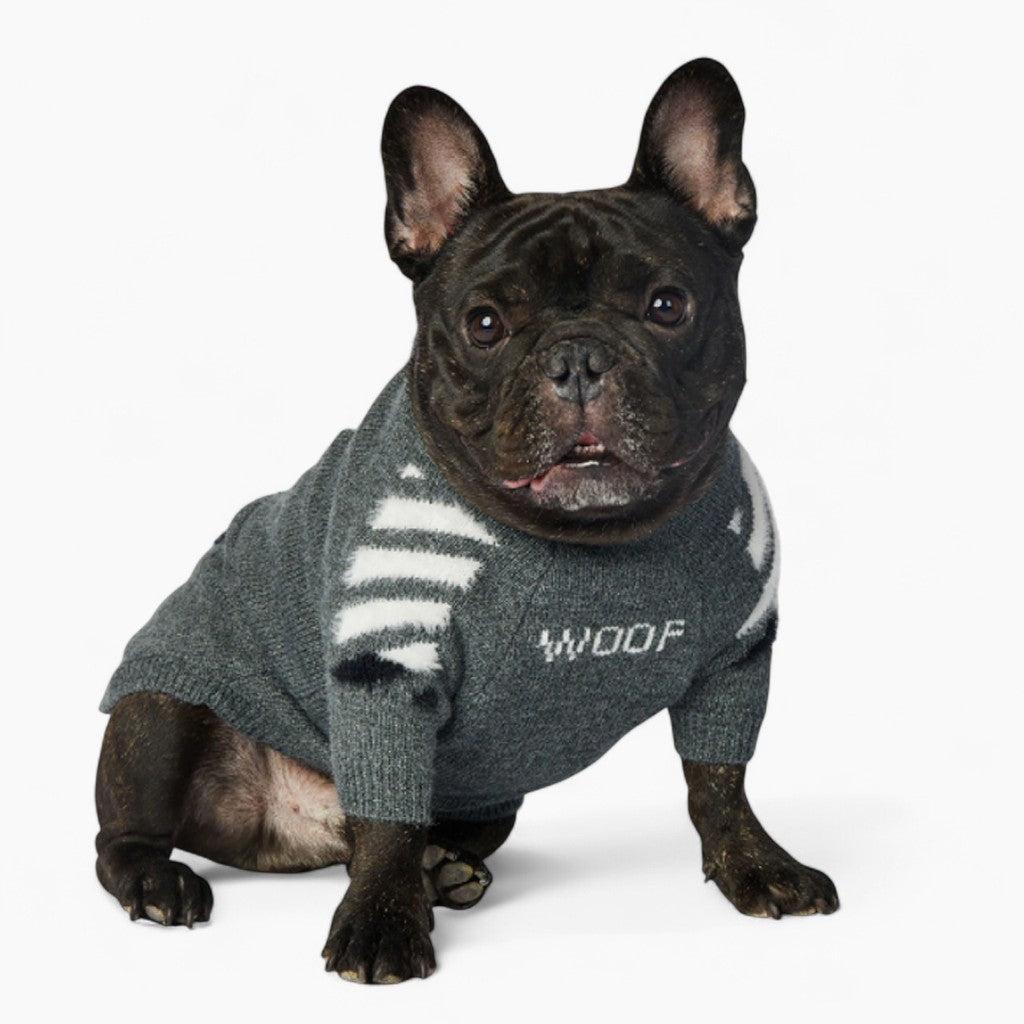


Your Frenchie finishes dinner, does a happy little wiggle around the kitchen... and five minutes later, it all comes right back up. If you've ever stood there staring at a puddle on the floor wondering whether you should panic or shrug it off, you're not alone. French Bulldog owners deal with this more than owners of almost any other breed, and honestly, it makes sense once you understand how these dogs are built.
The good news: most post-meal vomiting in Frenchies is harmless and easy to fix. The less good news: a small percentage of cases point to something that needs real attention. This guide walks you through how to tell the difference, what's actually going on in your Frenchie's body, and what you can do about it.
Why French Bulldogs Throw Up More Than Other Breeds
French Bulldogs are brachycephalic, meaning they have short skulls and shortened airways. That cute smooshed face comes with a trade-off: Frenchies struggle to control how much air they swallow while eating, and their digestive tract has less room to work with than a longer-nosed breed. Add in their famous enthusiasm at mealtime, and you've got a dog that's practically built to gulp, snort, and inhale food rather than chew it politely.
This doesn't mean every Frenchie is doomed to a lifetime of stomach trouble. It just means their margin for error is smaller, and small habits (like eating too fast) show up as vomiting more often than they would in other breeds.
Regurgitation vs. Vomiting: They're Not the Same Thing
This distinction matters more than most owners realize, because it changes what the "throw up" actually means.
Regurgitation happens quickly, often within a minute or two of eating, and looks almost effortless. The food comes back up looking undigested, sometimes still tube-shaped from the esophagus, and there's no real heaving or abdominal effort involved. This is usually the food-too-fast, swallowed-too-much-air scenario.
True vomiting is more active. You'll see abdominal contractions, drooling or gagging beforehand, and the contents often look partially digested, sometimes tinged with yellow bile or foam. Vomiting can happen hours after a meal, not just right after it, and it points to something happening lower in the digestive system rather than a simple swallowing hiccup.
If you're not sure which one you're seeing, watch the next episode closely (as unpleasant as that sounds). The timing and the effort involved are your biggest clues.
The Usually-Harmless Reasons
For most Frenchies, throwing up after meals traces back to one of these everyday culprits:
- Eating too fast. This is the number one cause by far. Frenchies inhale food, swallow excess air, and the stomach reacts by sending it back up.
- Overexcitement at mealtime. All that anticipation and zoomie energy right before or after eating can unsettle a sensitive stomach.
- Drinking a lot of water right after a meal. This can overfill an already-full stomach.
- Overeating or rich treats. A stomach that's asked to process too much too fast will sometimes just say no.
- Mild, temporary food sensitivity. A new treat or a sudden food switch can cause a one-off upset without being a true allergy.
If your Frenchie seems otherwise normal, energetic, and eager for their next meal, these harmless causes are the most likely explanation, and they're also the easiest to manage at home.
One of the simplest fixes is changing how your Frenchie eats, not just what they eat. A Slow Feeder Bowl uses raised ridges and compartments to force your dog to slow down and work for each bite, which cuts down on swallowed air and gives the stomach time to keep up. It's a small, inexpensive change that solves the most common cause of post-meal vomiting for a lot of Frenchie families.

When It Might Be Something More Serious
Occasional, harmless vomiting is one thing. Frequent or escalating vomiting is your dog's way of flagging a bigger issue. Here's what else could be going on:
- Food allergies or intolerances. If vomiting shows up after nearly every meal and comes with itching, diarrhea, or skin issues, an ingredient in the food may be the trigger. An elimination diet, guided by your vet, is usually the way to pin this down.
- Gastritis. Inflammation of the stomach lining, often triggered by something they shouldn't have eaten, stress, or an infection. It can cause repeated vomiting of foam or bile.
- Gastroenteritis. Inflammation of both the stomach and intestines, usually from a virus, bacteria, or dietary indiscretion, and often paired with diarrhea and low energy.
- Bilious vomiting syndrome. This is the classic "throws up yellow foam first thing in the morning" pattern, caused by stomach acid building up on an empty stomach overnight. A small bedtime snack often solves it.
- Megaesophagus or chronic regurgitation issues. Less common, but worth knowing about, since bulldog breeds are more prone to it than most. It shows up as regular regurgitation of whole, undigested food.
- Bloat (gastric dilatation-volvulus). Rare but genuinely life-threatening. Watch for unproductive retching (trying to vomit with nothing coming up), a visibly swollen belly, and obvious distress. This is an emergency, not a wait-and-see situation.
Warning Signs That Mean "Call the Vet Now"
Most vomiting doesn't need a middle-of-the-night emergency run, but some signs absolutely do. Reach out to your vet right away if you notice:
- Blood in the vomit (bright red or looking like coffee grounds)
- Vomiting that continues beyond 24 hours
- Lethargy, unusual sleepiness, or loss of appetite alongside the vomiting
- A swollen, hard, or painful-looking belly
- Repeated retching with little or nothing coming up
- Signs of dehydration, like dry gums or sunken eyes
French Bulldogs dehydrate faster than many breeds because of their compact size, so don't wait too long to get a professional opinion if vomiting is frequent or paired with any of the signs above.
Making Mealtime Easier on Your Frenchie's Stomach
A few simple habit changes go a long way for a dog prone to post-meal upset:
- Split meals into smaller, more frequent portions instead of one or two large ones.
- Hold off on vigorous play or walks right after eating, and give their stomach 20–30 minutes to settle.
- Introduce new foods gradually, mixing a little of the new with the old over a week or so.
- Keep a simple log of when vomiting happens, what they ate, and what it looked like. This is genuinely useful information for your vet.
- Rethink bowl height and shape. Because of their short necks and compact chests, some Frenchies find it easier and more comfortable to eat from a raised surface rather than hunching down to a bowl on the floor.
On that last point, an elevated feeder is worth considering if your Frenchie tends to gulp or seems uncomfortable eating low to the ground. The BowlyVate Elevated Frenchie Bowls set lifts food and water to a more natural eating angle, which can ease strain on the neck and make swallowing less rushed, a small adjustment that pairs nicely with a slow feeder for dogs who struggle with both speed and posture at mealtime.

Frequently Asked Questions
Is it normal for French Bulldogs to throw up sometimes? Yes, occasional vomiting, especially right after fast eating or excitement, is common in the breed and usually not a cause for alarm on its own.
What vomit colors should worry me? Bright red or coffee-ground-colored vomit needs immediate vet attention. Occasional white foam or yellow bile is often harmless, but frequent episodes of either are worth mentioning at your next vet visit.
Can allergies really cause vomiting after every meal? Yes. If it's happening consistently with the same food, especially alongside itchy skin or loose stools, an allergy or intolerance is a reasonable thing to investigate with your vet.
How long should I wait before calling the vet? If it's a single, mild episode and your dog is acting normal afterward, it's fine to monitor. If vomiting repeats, lasts more than a day, or comes with lethargy, blood, or a swollen belly, don't wait, call your vet.
The Bottom Line
Most of the time, a Frenchie throwing up after meals is just a side effect of how enthusiastically (and how quickly) they eat, and it's fixable with slower feeding habits and a little patience. But because this breed can also be prone to more serious digestive issues, it's worth paying attention to patterns, not just single episodes. When in doubt, a quick call to your vet is always the safer move. This article is meant as a general guide, not a substitute for a professional diagnosis.