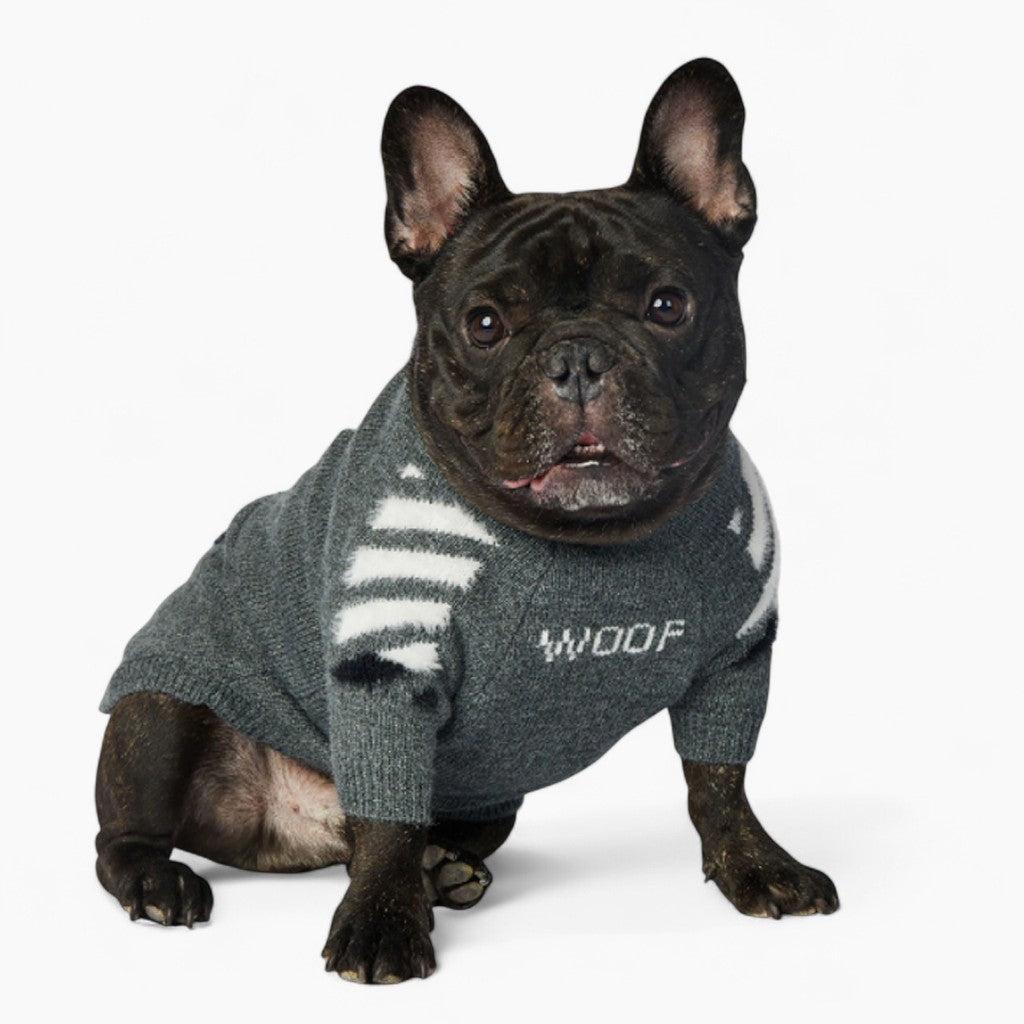


Traveling with a French Bulldog can be an exciting experience, but it also comes with unique challenges. As a brachycephalic (short-nosed) breed, Frenchies require extra care when flying due to their sensitivity to temperature, stress, and breathing conditions. Whether you're planning a vacation or relocating, understanding airline rules and preparing properly will make the journey safer and more comfortable for your pup.
In this guide, we’ll walk you through essential airline rules, expert safety tips, and the must-have gear every Frenchie parent should consider before takeoff.
1. Understand Airline Restrictions for French Bulldogs
Many airlines have strict policies regarding brachycephalic breeds like French Bulldogs due to their increased risk of respiratory issues. Some airlines may prohibit them from flying in cargo altogether, while others allow them only in-cabin. Always check the airline’s pet policy well in advance and confirm whether your Frenchie meets their requirements for weight, carrier size, and documentation. Booking early is crucial, as most airlines limit the number of pets allowed per flight. Additionally, consider calling customer service directly to verify any special conditions or recent updates to their policies. Being informed ahead of time can prevent last-minute stress and ensure your Frenchie travels safely.
2. Choose In-Cabin Travel Whenever Possible
For French Bulldogs, in-cabin travel is always the safest option. Cargo holds can expose your dog to extreme temperatures and limited airflow, which can be dangerous for short-nosed breeds. In-cabin travel allows you to monitor your dog closely and respond quickly if they show signs of distress. Make sure your Frenchie fits comfortably in an airline-approved carrier that can be placed under the seat. Practicing short trips in the carrier before your flight can help your dog feel more secure during the journey. Keeping your Frenchie close not only ensures their safety but also reduces anxiety for both of you.
3. Use a Comfortable and Airline-Approved Carrier
A high-quality carrier is one of the most important investments for flying with your Frenchie. It should be well-ventilated, lightweight, and spacious enough for your dog to turn around and lie down comfortably. We recommend the CarryPaw Frenchie Side Carry Backpack – Portable Lightweight and Secure Pet Carrier Bag , which is designed specifically for small breeds like French Bulldogs. Its breathable mesh panels and ergonomic design make it perfect for travel days. A secure and cozy carrier helps reduce stress and ensures your Frenchie remains calm throughout the flight.

4. Schedule a Pre-Flight Vet Check
Before flying, it’s essential to have your French Bulldog examined by a veterinarian. Your vet can confirm that your dog is healthy enough to travel and provide any required health certificates. They may also offer advice on managing anxiety or motion sickness. Avoid sedating your Frenchie unless explicitly recommended by your vet, as sedation can increase the risk of breathing problems in brachycephalic breeds. Keeping your dog in optimal health before travel significantly reduces potential risks during the flight.
5. Keep Your Frenchie Calm and Comfortable
Flying can be stressful for dogs, especially in unfamiliar environments. Bring familiar items like their favorite blanket or toy to help them feel secure. Speak to your Frenchie in a calm voice and avoid sudden movements that might startle them. Using a properly fitted harness like the LightLatch No pull Frenchie Reflective Harness ensures better control during airport navigation while keeping your dog comfortable. A calm and reassured dog is far less likely to experience anxiety-related issues during travel.

6. Avoid Feeding Right Before the Flight
Feeding your French Bulldog right before a flight can lead to discomfort, nausea, or accidents during travel. It’s best to offer a light meal several hours before departure and provide small amounts of water to keep them hydrated. Avoid giving new treats or foods that could upset their stomach. Bringing a collapsible bowl and offering water during layovers can help maintain hydration. Proper feeding timing ensures your Frenchie remains comfortable and reduces the risk of digestive issues mid-flight.
7. Monitor Temperature and Weather Conditions
French Bulldogs are highly sensitive to heat and humidity, which can quickly lead to breathing difficulties. Always check the weather at your departure and arrival locations, as well as any layover cities. Avoid flying during extremely hot or cold conditions whenever possible. Early morning or late evening flights are usually safer options during warmer months. Maintaining a stable and comfortable temperature environment is crucial for your Frenchie’s safety throughout the journey.
8. Allow Time for Bathroom Breaks Before Boarding
Make sure your Frenchie has ample time to relieve themselves before boarding the flight. Many airports now have designated pet relief areas, so plan your arrival accordingly. A short walk before boarding can also help burn off excess energy and reduce restlessness during the flight. Using a harness ensures safe and controlled movement in busy airport environments. Proper preparation before boarding leads to a more relaxed and manageable travel experience.
9. Prepare All Required Travel Documents
Different airlines and destinations may require specific documentation, including vaccination records, health certificates, and identification tags. Keep all paperwork organized and easily accessible during check-in and security screening. Some destinations may also have quarantine or entry requirements for pets, so research thoroughly ahead of time. Being fully prepared with the necessary documents will help you avoid delays and ensure a smooth travel process.
10. Know the Signs of Stress or Breathing Issues
It’s important to recognize early signs of distress in your French Bulldog, such as excessive panting, drooling, restlessness, or difficulty breathing. If you notice any of these symptoms during the flight, try to calm your dog and ensure proper airflow around their carrier. Alert a flight attendant if necessary. Staying attentive to your Frenchie’s behavior allows you to respond quickly and prevent serious health issues.
Final Thoughts
Flying with a French Bulldog requires careful planning, but with the right preparation, it can be a safe and enjoyable experience. Prioritizing your dog’s comfort, choosing the right gear, and understanding airline rules are key steps to a successful journey. By following these tips, you’ll ensure your Frenchie stays happy, healthy, and stress-free from takeoff to landing.