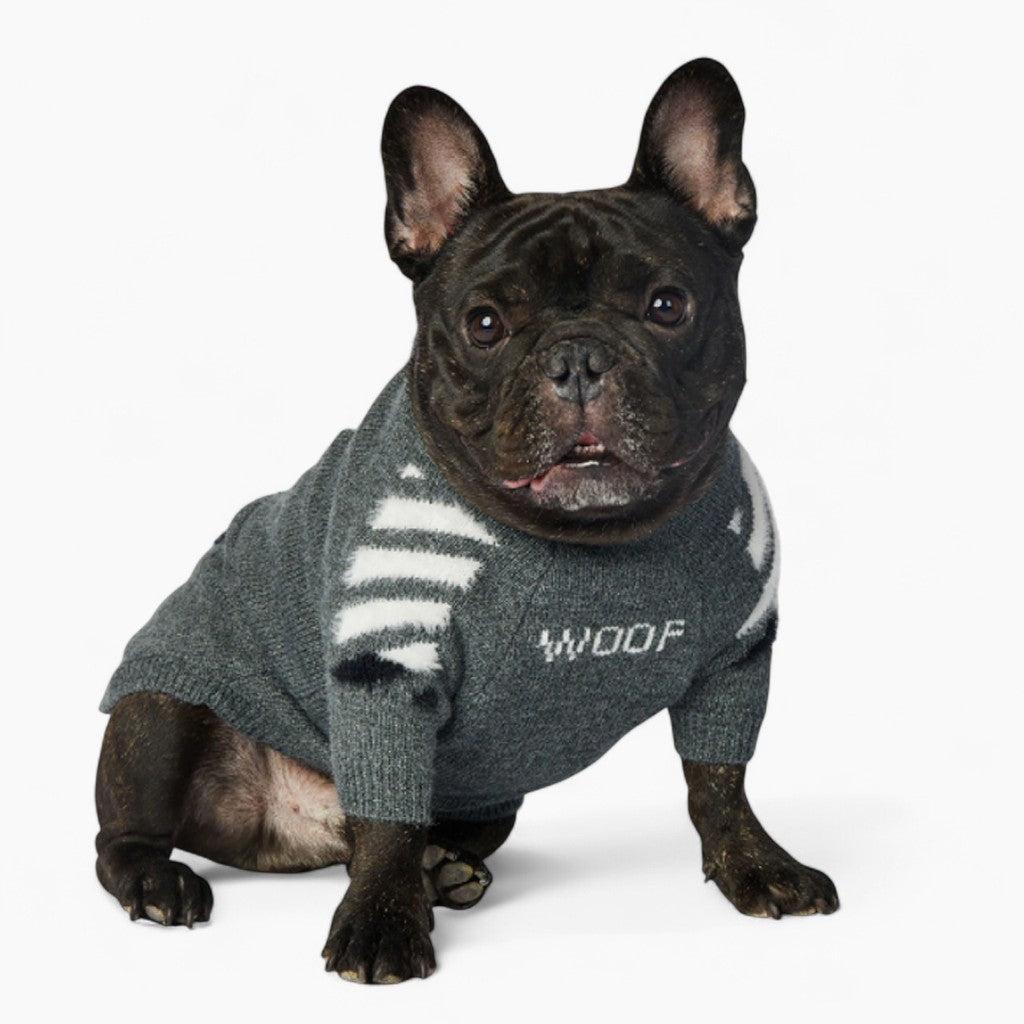


If you've ever reached down to boop your Frenchie's nose and noticed it feels rough, flaky, or almost sandpaper-like instead of that classic cool, damp texture, you're not imagining things — and you're definitely not alone. Dry nose is one of the most common things French Bulldog owners ask about, and the good news is that in most cases, it's completely manageable once you understand what's actually going on.
This guide walks you through why Frenchie noses dry out, when it's totally normal, when it might need a vet's attention, and what you can actually do about it at home.
Why Do French Bulldogs Get Dry Noses in the First Place?
French Bulldogs are brachycephalic, meaning they have those short, squished snouts we all love. That unique face shape comes with a few nose-related quirks that other breeds don't deal with as much.
1. Their nose leather is naturally different. Frenchies have less surface area on their nose compared to longer-snouted breeds, and the skin there (called "nose leather") can be more prone to drying out, especially in certain weather conditions.
2. Weather and humidity swings. Cold winter air, blasting indoor heat, dry climates, or even sitting in front of a fan or air conditioner for long stretches can pull moisture right out of your dog's nose.
3. Dehydration. If your Frenchie isn't drinking enough water throughout the day, their nose is often one of the first places it shows. A dry, tacky nose combined with low energy can be a simple hydration issue.
4. Sun exposure. Just like human skin, a Frenchie's nose can get sunburned or dried out from too much time outside without shade, particularly on light-colored or pink-nosed dogs.
5. Allergies. Environmental allergens, certain foods, or even plastic food bowls (yes, really — this is called plastic dish dermatitis) can trigger dryness, redness, or crusting around the nose.
6. Nasal hyperkeratosis. This is a mouthful, but it simply means an overproduction of keratin on the nose, causing it to become thick, dry, and crusty. It's common in older Frenchies and is usually harmless, though it needs regular moisturizing to stay comfortable.
7. Sleeping position. Some Frenchies sleep with their nose pressed into bedding or their own paw, which can cause localized dryness from friction and reduced air moisture right at the nose.
Is a Dry Nose Always a Sign of a Problem?
Here's something that surprises a lot of new owners: a dry nose does not automatically mean your dog is sick. The old wives' tale that "a wet nose means a healthy dog" isn't really accurate. Nose moisture naturally fluctuates throughout the day depending on activity level, sleep, temperature, and how recently your Frenchie has had a drink of water.
A dry nose becomes something to pay closer attention to when it's paired with other signs, such as:
- Cracking, bleeding, or open sores
- Noticeable swelling or discoloration
- Your Frenchie pawing at or rubbing their nose frequently
- Loss of appetite, lethargy, or fever
- Discharge from the nose (especially if it's thick, colored, or has an odor)
If any of these show up alongside the dryness, it's worth a call to your vet rather than relying on home care alone.
Everyday Ways to Keep Your Frenchie's Nose Healthy
The good news is that most dry nose cases respond really well to a few simple habits.
Keep the water bowl full — and appealing. Hydration is one of the easiest and most overlooked fixes for a dry nose. Some Frenchies are picky drinkers or gulp water so fast it ends up more on the floor than in their belly, which doesn't help hydration at all.
<div style="text-align:center; margin: 30px 0;">
AquaSip Frenchie Floating Water Bowl – Slow Drinking Dispenser for Hydrated Pets
This floating-disk bowl slows down fast gulpers, keeps the water clean and splash-free, and makes it easier to encourage your Frenchie to actually drink throughout the day instead of just around it. Better hydration habits often mean a healthier, softer nose over time.

Moisturize regularly with a dog-safe balm. Human lip balms, Vaseline, or lotions aren't a good idea for dog noses since they can upset your Frenchie's stomach if licked off. A balm made specifically for dogs is a much safer bet.
Frenchie Nose Elbow Paw Butter Balm – Travel-Friendly Moisturizing Relief
Formulated to soothe dry, cracked noses along with elbows and paw pads, this balm is easy to apply and gentle enough for regular use. Many owners apply it once or twice a day until the nose softens, then a few times a week to maintain it.
Watch the weather and adjust indoor humidity. If you run your heater or AC often, consider a small humidifier in the room your Frenchie spends the most time in, especially during winter months when indoor air gets especially dry.
Swap out plastic bowls. If you suspect allergies might be playing a role, switching to a ceramic or stainless steel bowl can rule out a surprisingly common irritant.
Limit direct sun exposure. A shaded spot for outdoor time and limiting midday sun on hot days protects both the nose and the rest of your Frenchie's sensitive skin.
Do a gentle nose check during grooming. While you're already wiping down their face folds, take a few seconds to check the texture of the nose. Catching dryness early makes it much easier to manage before it turns into cracking.
When to See a Vet
Most dry noses clear up with consistent care at home, but it's worth scheduling a vet visit if you notice:
- The dryness doesn't improve after a week or two of regular moisturizing and hydration
- Cracks are deep enough to bleed
- There's swelling, unusual color changes, or growths on the nose
- Your Frenchie seems uncomfortable, is off their food, or has other symptoms like coughing or nasal discharge
A vet can rule out infections, autoimmune conditions, or allergies that need more targeted treatment than a balm and a water bowl can offer.
The Bottom Line
A dry nose is one of those small things that can feel alarming the first time you notice it, but for most French Bulldogs, it's simply a sign that their nose needs a little extra moisture and TLC. Between good hydration habits, a dog-safe balm, and keeping an eye on your dog's environment, you can usually keep that nose soft and healthy without much fuss. And if anything ever seems off beyond just dryness, your vet is always the best resource for peace of mind.