
Like every other dog breed, the Frenchie looks better with its coat. A dog’s fur, whether long or short, silky or wiry, curly or thick, is one of its most charming features.
So, why would your dear friend suddenly begin to lose his hair? This article explores that question.
Because of the charm and appeal that the French Bulldog's hair brings out, most Frenchie owners try to do whatever it takes to ensure that the hair of their best friend remains in a healthy condition. Brittleness and hair loss are some of the indications that your Frenchie's hair is not in good health, which is due to several reasons.
Keep on reading to learn more.
Why French Bulldogs Shed - Is it Normal?
Hair loss is often a normal process for Frenchies, especially seasonal shedding as they grow a new coat for the coming season. This process removes the old and damaged hairs and promotes the growth of new hairs. Frenchies shed their hair all year, but heavily in the spring and fall.
But if the hair loss becomes excessive, it may be due to a underlying health issue. This is not considered normal shedding, this may be due to multiple reasons as discussed.
12 Common Causes of French Bulldog Hair Loss

We will attempt an explanation of some of these causes of hair loss for French Bulldogs.
1. Allergies - Food & Environmental
Allergies are common in French Bulldogs. Beef, dairy, chicken, and grains in their meals often spark such issues. Airborne elements and contact with certain surfaces may also set off allergic reactions that harm their skin.
- Pollen
- Dust mites
- Mold
- Grass
Allergens can trigger a lot of itching, licking, or biting in Frenchies. This behavior can damage their skin badly and leave spots where the hair falls out. Some dogs also end up with red skin, sore areas, or infections in their ears. Hotspots may appear and become quite uncomfortable.
To identify the cause of allergy tests or removing certain foods from the diet are performed to see what changes. Treating the problem at its source helps ease these issues. Dogs usually see less hair loss and feel much better when treatment begins.
2. Flea Allergy Dermatitis
A widespread cause of hair loss in the French Bulldogs is Flea Allergy Dermatitis. It is developed by an allergic reaction to flea saliva proteins in a dog. Even a single flea bite can cause a serious reaction.
- Itching
- Scratching
- Inflamed
- Red skin
Afflicted Frenchies tend to lose hair on the lower back, centered on the base of the tail, and thighs. There are also scabs, hot spots, and secondary infections caused by excessive chewing or licking.
The treatment included using monthly preventatives, anti-itch medication, and medicated baths to get rid of the fleas. Flea control will have to be regular to avoid frequent occurrences of skin irritations and additional hair loss.
3. Mites (Mange)
Two main types of mange can affect French Bulldogs:
- Demodectic mange starts when Demodex mites settle in the skin. Dogs may get flaky patches and lose hair in certain spots. Bacterial infections can appear as well. Most times, this trouble shows up in puppies or dogs whose immune systems are too weak to keep the mites under control.
- Scabies is another name for sarcoptic mange. It spreads quickly among dogs and makes the skin red and very itchy. The coat forms crusty scabs that cover wide spots. Hair loss can happen almost everywhere if the dog is left untreated.
If left untreated, mange can spread rapidly and cause serious discomfort.
4. Ringworm (Fungal Infection)
Despite the name, ringworm is not a worm but a contagious fungal infection affecting the skin, hair, and nails. French Bulldogs with ringworm may develop
- Circular bald patches with red borders
- Dry, flaky skin
- Brittle or broken hair shafts
- Mild to moderate itching
- Scaling or crust formation
- Possible nail involvement (thickened or deformed nails)
It is particularly prevalent in sexually immature animals or dogs that have a poor immune system. The disease is highly transmissible either by direct contact or infected materials such as bedding or even grooming instruments. Ringworm is cured with antifungal medication that can be shampoo, topical creams, or oral treatment. It is also necessary to isolate the infected pets and sanitize the environment. Hair can be expected to grow back when the infection has been brought under control with due care.
5. Bacterial Skin Infections (Pyoderma)
Pyoderma is one of the frequently occurring bacterial dermal infections in French Bulldogs. The problem normally appears when the dog is allergic, has scratches, or has minor injuries. The folds may keep skin moisture and germs, and support the development of the infection, which may lead to hair loss. Symptoms include
- Pustules or pimple-like bumps
- Red, inflamed skin
- Hair loss around infected areas
- Yellow crusts or scabs
- Foul odor
- Excessive licking or scratching
The folds of skin are particularly unsusceptible in Frenchies, exposing the skin to a warm, wet environment, which fosters the growth of bacteria. It is usually cured with antibiotics, medicated baths, and the cause itself.
Without treatment, pyoderma may convert into a chronic infection or even become a source of deeper infection. The repetitive issues with bacteria can be prevented by frequent washing of skin folds as well as grooming.
6. Hypothyroidism
Hypothyroidism is a condition in which the secretion of hormones by the thyroid gland is deficient, and the metabolism of your French Bulldog is slowed down, which affects numerous processes in its body, including the growth of hair. Hypothyroid dogs tend to lose their hair symmetrically, especially on the back, the tail sides, and the sides.
Additional signs include:
- Symmetrical hair thinning (especially on flanks)
- Dry, flaky skin
- Weight gain without increased appetite
- Lethargy or low-energy
- Cold intolerance
- Chronic ear infections
The condition can be ignored initially as the symptoms develop gradually. The presence of hypothyroidism can also be diagnosed through the blood tests carried out by a veterinarian. Therapy is done through the use of daily hormone replacement therapy, which is seen to improve energy levels, coat quality, and regrowth of lost hair within a few months.
7. Cushing’s Disease
Cushing’s Disease results from the overproduction of cortisol, the stress hormone. It can be caused by a tumor in the adrenal or pituitary gland. French Bulldogs with this condition often show signs like
- Thinning hair or bald patches
- Pot-bellied appearance
- Increased thirst and urination
- Muscle weakness
- Thin, fragile skin that bruises easily
- Recurrent skin infections
Baldness is quite common and can cause hair loss to be symmetrical, along with brittle skin or slow-healing lesions. Cushing's affects older dogs to a greater extent, and this pathology is detected by means of special blood analysis. The therapy can be medication, surgery, or a diet change.
When not treated, it may cause serious complications. This can yield positive results and improve the quality of life and hair regrowth, especially when dealt with early.
8. Nutritional Deficiencies
A poor-quality diet lacking essential nutrients can lead to dull, brittle fur and excessive shedding. French Bulldogs need balanced nutrition to prevent hair loss, including:
- Omega-3 and Omega-6 fatty acids for skin health.
- Vitamins A and E to support healthy hair growth.
- Zinc and other minerals are needed to maintain a healthy coat.
Switching to high-quality dog food or adding veterinary-recommended supplements often improves coat condition.
9. Stress and Anxiety
Just like humans, French Bulldogs can lose hair due to chronic stress or anxiety. Triggers include
- Loud noises
- Changes in the environment
- Separation anxiety
- Lack of socialization
Stressed dogs tend to lick or chew certain spots, overgroom, and lose hair, develop hot spots, and experience skin irritation.
This habit may be confused with allergies or a skin infection. The treatment of stress is done by identifying the source and eliminating it or administering enrichment toys, anxiety wraps, or even relaxing supplements.
In severe cases, behavioral therapy or medications may be necessary. Reducing stress improves not only hair growth but also your Frenchie’s overall emotional well-being.
10. Genetic Predispositions
Certain French Bulldogs are genetically prone to hair loss conditions, particularly color dilution alopecia (CDA) and pattern baldness. Dogs with diluted coat colors like blue or fawn are more likely to develop CDA, where the hair thins or falls out in patches, especially along the back or flanks. The signs and symptoms may include
- Progressive hair loss starting in puppyhood
- Bald patches on the back and flanks
- Dry or scaly skin in affected areas
- No itching or discomfort in many cases
- Thin or poor-quality hair coat
- Recurrent skin infections (in some cases)
Pattern baldness usually occurs at places such as the back of the ears or under the neck and can gradually be noticed. Though these hereditary problems cannot be cured, they may be managed in terms of skincare and easy grooming as well as a healthy diet.
11. Reaction to Medications
Some medications can trigger side effects in French Bulldogs. Common culprits include steroids, chemotherapy drugs, flea/tick preventatives, and certain antibiotics. The signs may include
- Sudden hair shedding after starting medication
- Red or irritated skin
- Rashes or welts
- Dry or flaky patches
- Changes in coat texture
- Lethargy or digestive upset (with some drugs)
Learn how you can prevent your Frenchies from adverse heat rash.
Hair may fall out in patches or thin overall, depending on the medication and your dog’s sensitivity. Reactions can be immediate or develop over time.
If hair loss begins along with the onset of a new drug, talk to your veterinarian right away. They can advise to stop or change the medication. Hair usually regrows again after discontinuing medication, and the reaction stops. During treatment, it is important to monitor your Frenchie's skin
12. Excessive Bathing or Harsh Shampoos
Overbathing your French Bulldog or using harsh shampoos can strip away natural oils that protect the skin and coat. This results in
- Dry, flaky skin after baths
- Dull or brittle hair
- Excessive shedding
- Localized hair thinning
- Itchy or irritated skin
- Reluctance to be groomed
Some shampoos contain strong chemicals or fragrances that irritate sensitive skin. Ideally, French Bulldogs should only be bathed every 4–6 weeks using a gentle, hypoallergenic, or veterinary-recommended shampoo.
Bathing too frequently disrupts the skin barrier, leading to inflammation or even secondary infections. If your dog starts losing hair after frequent baths or product changes, consult a vet and switch to a milder formula designed for sensitive skin.
When Should You Take Your Frenchie To a Vet?

While some shedding is perfectly normal for French Bulldogs, sudden or excessive hair loss can signal a deeper health issue. You should contact your veterinarian promptly if you notice any of the following warning signs:
- Bald Patches: Large or rapidly spreading bald spots rather than overall thinning.
- Red, Inflamed, or Bleeding Skin: Signs of infection, severe irritation, or open sores.
- Intense Itching or Scratching: Persistent scratching that disrupts sleep or daily activities.
- Scabs, Pustules, or Crusts: Indicators of bacterial or fungal infections requiring treatment.
- Changes in Appetite or Behavior: Lethargy, weight loss, or depression, along with hair loss.
- Unpleasant Odor: A Strong smell from the skin may signal yeast or bacterial overgrowth.
- Skin Thickening or Darkening: A possible symptom of hormonal imbalances like Cushing’s disease.
- Pain When Touched: Sensitivity or discomfort when you inspect the affected area.
If hair loss is accompanied by any of these symptoms, it’s best to schedule a veterinary exam. Early diagnosis helps prevent complications and keeps your Frenchie’s skin and coat healthy.
Preventive Care for Healthy Skin and Coat
You need to be extra careful to prevent the unnecessary hair loss of your French Bulldog.
- Feed a Balanced Diet: Use high-quality allergy-friendly dog food rich in omega-3 fatty acids, vitamins, and minerals.
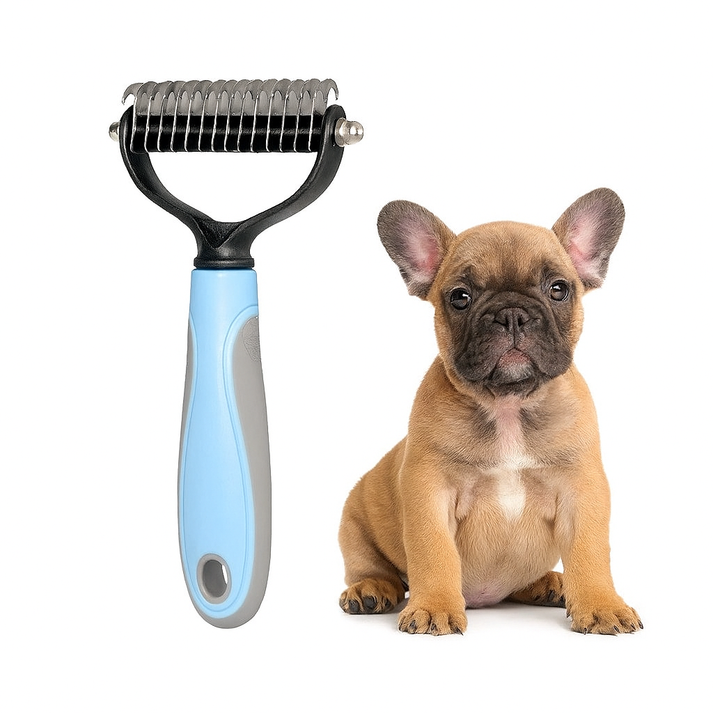
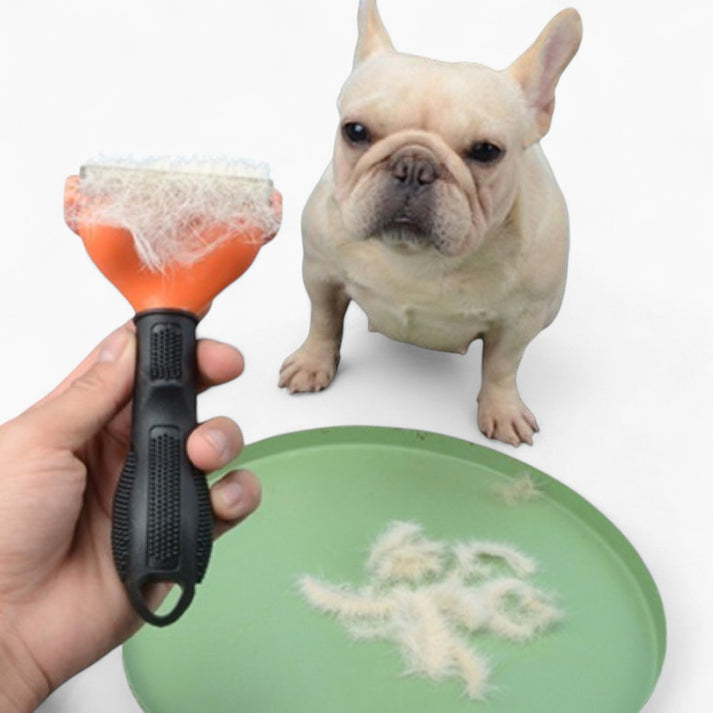
- Regular Grooming: Brush your Frenchie weekly to remove loose hair and keep the skin clean.
- Use Gentle Shampoos: Bathe only as needed with mild, dog-safe shampoos to avoid drying out the skin.
- Control Parasites: Stay up to date on flea, tick, and mite preventatives.
- Minimize Stress: Keep a calm, predictable environment to reduce anxiety-related shedding.
- Routine Vet Visits: Schedule regular check-ups to catch skin problems early.
- Keep Folds Dry: Clean and dry skin folds to prevent infections.
FAQs
How Do I Get My Frenchie Hair to Grow Back?
Address the cause first, treat infections, improve diet, reduce stress, and follow your vet’s advice. Gentle grooming, omega fatty acids, and medicated shampoos can help promote healthy regrowth.
At What Age Do French Bulldogs Start Shedding?
French Bulldogs begin noticeable shedding around 6 months old when their adult coat develops. Light shedding continues year-round, with seasonal increases in spring and fall as their coat renews.
The Bottom Line
So, hair loss in French Bulldogs isn’t always just normal shedding. You need to be careful about the signs and symptoms. Don’t wait if you notice any of the signs above; schedule a veterinary check-up to pinpoint the cause and start appropriate treatment.
The right support and early intervention can help your dog feel comfortable, confident, and happy every day.
23 comments
My Frenchie is 10 years old. We inherited him when he was 3 years old. Hair loss and always scratching. Vet bills ran up to a few thousand dollars over the next 2 years. Changed his food to strictly fish and or salmon. ( but not together). Beautiful coat. No scratching. No vet bills other than annual check up. The only other thing I changed was his shampoo. Now using MICONAHEX TRIZ. 2x a week. Works wonders. Good luck with your Frenchie.
Our Frenchies are 9 and 10. The 10 year old has battled allergies his whole life. IMO Antibiotics and Steriods are their worse enemy. I am not a vet, but we have had a lot of success with a more holistic approach. We currently give him local honey starting in about December to combat spring pollen. It has to be local because it helps his body defend against local pollens around us. We currently use a supplement that has Quercitin Dihydrate (Fruit Peels) and Bromelain (Pineapple) Standard Process makes one called D-hist. We use a good probiotic and feed raw. We bath him twice a week and use a shampoo called Duoxo Chlorhexidine when he has a bad break out. I don’t like using it, but it is the lesser of two evils. Some years have been better than others but he hangs in there. We used a Homeopathic for seasonal allergies for a while made by Hyland. All of these approaches have given us better safer results than Antibiotics which only tear up their intestinal wall and cause more allergies! I prefer a more holistic vet than one who recommends something like Royal canine or Antibiotics. If you decide to feed raw, do your research. There are many books on it that are very helpful.
There is also a website, Dogs Naturally out of Canada with tons of great advise on Holistic Dog Care. They have a new approach that actually places healthy fecal matter to heal the dogs leaky gut issues. That’s what allergies are a result of, leaky gut. Good Luck to you. Louie and Tonys Momma.
help marcshmello losing fur need immediate SOS plan
My Frenchie is only 8months she has bald spots all over her body and like small pimple on the spot that is bald. I don’t know what to do I’m worry that is mites
My French bulldog as dark bald patches either side of her body
It dose not cause her no issues .
It’s not dry or flakey.
My Frenchie has gastro problems he poops blood … he is on a special food Canin it is a dry dog food
Yet it continues
Can you advise me
Thank you
Joan Brooks
My Frenchie Beasley has the same problem. We bathe him two times a week, and he starts to smell within a day. He also suffers from hair loss. He is currently going through allergy treatment as he highly allergic to Birch Trees and dust. We are trying to hold out from putting him back on medication since he has been a cycle every 3 months – we take him to the vet and they give him an antibiotic and Apoquil. Then, he clears up, and within a month, he will start to smell again. :( Beasley is only 2 too.
My Frenchie Bentley has always had a problem with an unpleasant odor that ends up having to put him on antibiotics every 3 months and Apoquil daily . I have tried everything. The smell is like a fungus infection. I dislike having to give him medication but if I don’t he will be itching, stinking and in misery. He is 2 years old and even as a puppy he had this yucky smell. I’ve used every thing from goat milk to omegas to medicated prescription shampoos to homemade foods, specialized foods – nothing works. Does anyone else have this problem.